Weight Changes After 35: Hormones, Metabolism, and Evidence-Based Care
Many adults notice that managing their weight feels different in their 30s, 40s, or 50s. A routine that once produced weight loss may become difficult to maintain, the scale may plateau, or body fat may begin accumulating in different areas.
These changes are real, but they are not proof that a person’s metabolism has suddenly stopped working or that a hormone imbalance is the hidden cause. Body weight is influenced by genetics, sleep, activity, nutrition, medications, medical conditions, reproductive changes, stress, environment, and other factors that may shift over time.
At OTR Health & Wellness in Cumming, Georgia, patients can discuss weight and related health concerns with a licensed healthcare professional. An individualized evaluation can help identify factors that may be contributing and determine whether lifestyle support, medical treatment, laboratory testing, or referral may be appropriate.
Does Metabolism Automatically Slow After 35?
It is often stated that metabolism declines by a fixed percentage every decade beginning around age 30. Large studies of daily energy expenditure do not support such a simple rule.
Research measuring total daily energy expenditure across the lifespan found that, after accounting for body size and composition, energy expenditure was generally stable from approximately ages 20 to 60. A more consistent decline was seen later in adulthood.
This does not mean that weight management remains identical throughout middle age. Changes may occur in:
Physical activity during work and leisure
Time spent sitting
Sleep quality or duration
Muscle mass and physical function
Food portions, eating patterns, or alcohol intake
Prescription medications
Stress and mental health
Menstrual or menopausal symptoms
Chronic medical conditions
The environment and demands of daily life
A person’s total energy needs may also change when body size, body composition, or activity changes. The explanation is more complex than a metabolism that automatically “shuts down” at 35.
Energy Balance Still Matters—But It Is Not a Moral Judgment
Body weight changes when energy intake and energy expenditure remain out of balance over time. That principle is real, but telling someone to “eat less and move more” rarely captures the biological, psychological, medical, and environmental factors that influence eating and activity.
Appetite, food availability, sleep, medications, stress, pain, disability, work schedules, caregiving responsibilities, and previous dieting may all affect the ability to follow a plan. Obesity is a chronic medical condition, not evidence of weak character or a lack of discipline.
Aggressive calorie restriction may produce short-term weight loss but can also be difficult to sustain. Weight loss may be followed by increased hunger, reduced energy expenditure associated with a smaller body, and gradual regain. This does not mean the body has entered a mysterious “survival mode” or that weight loss has become impossible. It means long-term weight management often requires a sustainable plan and continued support.
Muscle and Physical Activity
Muscle contributes to daily energy use and supports strength, mobility, glucose regulation, and physical independence. Adults may lose muscle over time, particularly when they are inactive, ill, injured, undernourished, or repeatedly losing weight without strength-focused activity.
However, muscle is not a simple “calorie-burning engine” that determines whether fat loss can occur. Weight and body composition are shaped by multiple interacting factors.
Depending on a person’s health and abilities, a weight-management plan may include:
Aerobic activity
Resistance or strength training
Balance and mobility work
Adequate dietary protein and overall nutrition
Recovery and sleep
Modifications for pain, disability, or chronic illness
People with significant medical conditions, symptoms, or physical limitations should speak with a healthcare professional before beginning a new exercise program.
Menopause and Changes in Body Composition
The menopausal transition may be accompanied by changes in body composition and fat distribution. Some women notice more fat around the abdomen even when the change on the scale is modest.
Menopause may also bring hot flashes, night sweats, sleep disruption, mood changes, or joint discomfort. These symptoms can indirectly affect appetite, activity, and the ability to follow familiar routines.
Menopausal hormone therapy may be appropriate for certain bothersome symptoms in carefully selected patients, but it is not a weight-loss treatment. It should not be promoted as a way to accelerate metabolism, burn abdominal fat, control appetite, or restore a younger body composition.
If hormone therapy is considered, the decision should include an individualized discussion of symptoms, health history, potential benefits, risks, contraindications, alternatives, and available FDA-approved options. Weight loss or a specific body-composition result cannot be guaranteed.
Testosterone and Weight in Men
Obesity and certain chronic conditions may be associated with lower testosterone measurements in men. Low energy, weight gain, reduced motivation, and decreased strength are nonspecific symptoms and do not establish hypogonadism.
A diagnosis of testosterone deficiency requires compatible symptoms or signs and unequivocally and consistently low testosterone concentrations confirmed with accurate testing. This generally includes at least two separate early-morning measurements and additional evaluation when appropriate to identify the cause.
Testosterone therapy is intended for appropriately diagnosed hypogonadism. It should not be prescribed as a general weight-loss, fat-burning, muscle-building, or metabolic-optimization treatment.
For some men whose low testosterone is associated with obesity and no other identified cause, weight-management treatment may be an important first-line approach. A consultation or low laboratory result does not guarantee eligibility for TRT.
Testosterone and Weight in Women
Women produce testosterone, but weight gain, reduced muscle tone, fatigue, or difficulty losing weight do not diagnose a testosterone deficiency.
Testosterone should not be routinely prescribed to women for weight loss, metabolic health, muscle development, energy, cognition, or general well-being. Women experiencing weight changes should receive an individualized evaluation of more common contributors rather than being told that testosterone optimization will restore fat burning.
Thyroid Conditions
Thyroid hormones help regulate how the body uses energy. Hypothyroidism, or an underactive thyroid, may be associated with fatigue, weight gain, cold intolerance, constipation, dry skin, hair changes, muscle or joint discomfort, menstrual changes, and depression.
These symptoms are common and do not necessarily mean a person has a thyroid condition. Hypothyroidism cannot be diagnosed from fatigue or weight gain alone. When the clinical picture supports it, a healthcare professional can order and interpret established thyroid blood tests.
Thyroid medication is intended to replace hormone in a diagnosed thyroid disorder. It should not be used to accelerate metabolism or promote weight loss in someone whose thyroid function does not require treatment. Excess thyroid hormone can cause serious harm, including abnormal heart rhythms and bone loss.
Insulin, Prediabetes, and Metabolic Health
Insulin helps regulate blood glucose. Insulin resistance may occur before type 2 diabetes and is influenced by factors such as genetics, body weight, activity, sleep, certain medications, and other health conditions.
Fatigue, cravings, abdominal weight gain, or an afternoon energy change cannot diagnose insulin resistance. When appropriate, a provider may recommend established glucose-related testing and review blood pressure, cholesterol, family history, and other cardiovascular or metabolic risk factors.
Patients should not be told that an undefined “hormone imbalance” is forcing the body to store every calorie as fat. When prediabetes or diabetes is diagnosed, treatment should follow an individualized plan that may include nutrition, activity, weight management, medication, and coordinated medical care.
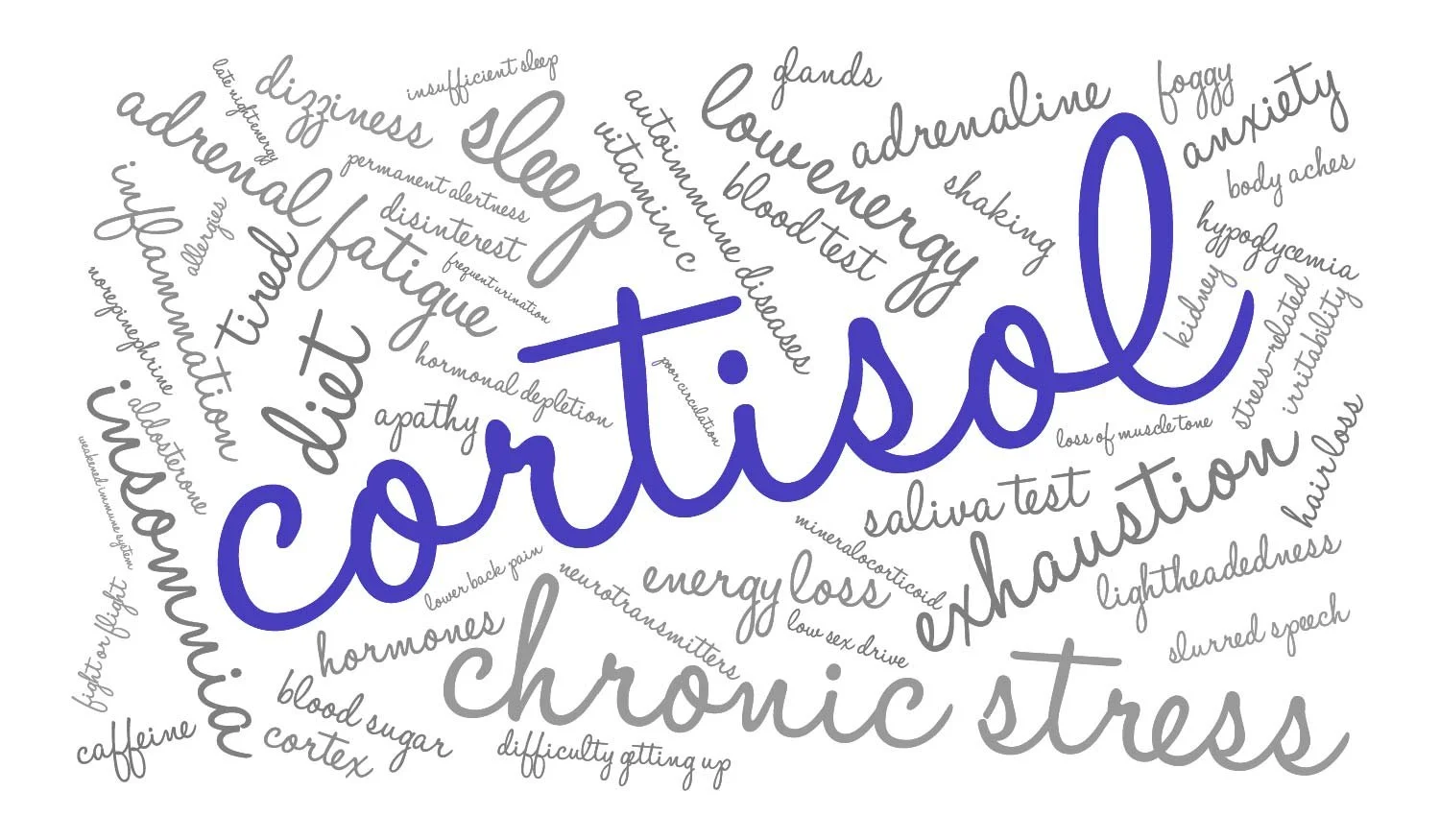
Stress and Cortisol
Ongoing stress can affect sleep, appetite, food choices, alcohol use, activity, and the time available for self-care. These effects may influence weight without proving that cortisol is chronically elevated.
Terms such as “cortisol belly” and “stress belly” are not medical diagnoses. Routine cortisol testing is not appropriate for everyone with stress or abdominal weight gain.
True cortisol excess occurs in recognized conditions such as Cushing’s syndrome, which requires specific clinical findings and targeted testing. It should not be diagnosed from weight gain, fatigue, cravings, or poor sleep alone.
Stress management may support overall health, but it should not be promised to “reset cortisol,” restore fat burning, or produce a particular amount of weight loss.
Sleep and Weight Management
Sleep can affect appetite, energy, mood, decision-making, and willingness to be active. Insufficient or fragmented sleep may make a weight-management plan more difficult to follow.
Possible signs of obstructive sleep apnea include loud snoring, witnessed pauses in breathing, gasping during sleep, morning headaches, dry mouth, and excessive daytime sleepiness. When these symptoms are present, a sleep evaluation may be more appropriate than a broad hormone panel.
Improving sleep may support health and daily functioning, but it does not guarantee weight loss or establish that hormones were the cause of weight gain.
Medications and Health Conditions
Some prescription medications may contribute to weight gain or make weight management more difficult. Examples can include certain medications used for diabetes, mental health conditions, seizures, inflammation, blood pressure, and other health concerns.
Patients should not stop or change a prescribed medication on their own. A healthcare professional can review whether the medication may be contributing and whether an appropriate alternative exists.
Other medical conditions associated with weight change may include polycystic ovary syndrome, hypothyroidism, Cushing’s syndrome, sleep apnea, depression, binge-eating disorder, and mobility-limiting conditions. These diagnoses require condition-specific evaluation rather than a general claim of hormone imbalance.
What a Weight Evaluation May Include
An individualized evaluation may review:
Weight history and previous approaches
Nutrition and eating patterns
Physical activity, sedentary time, and physical limitations
Sleep quality and possible sleep-apnea symptoms
Prescription medications and supplements
Alcohol, tobacco, and substance use
Medical and mental health history
Menstrual, menopausal, sexual, or reproductive symptoms when relevant
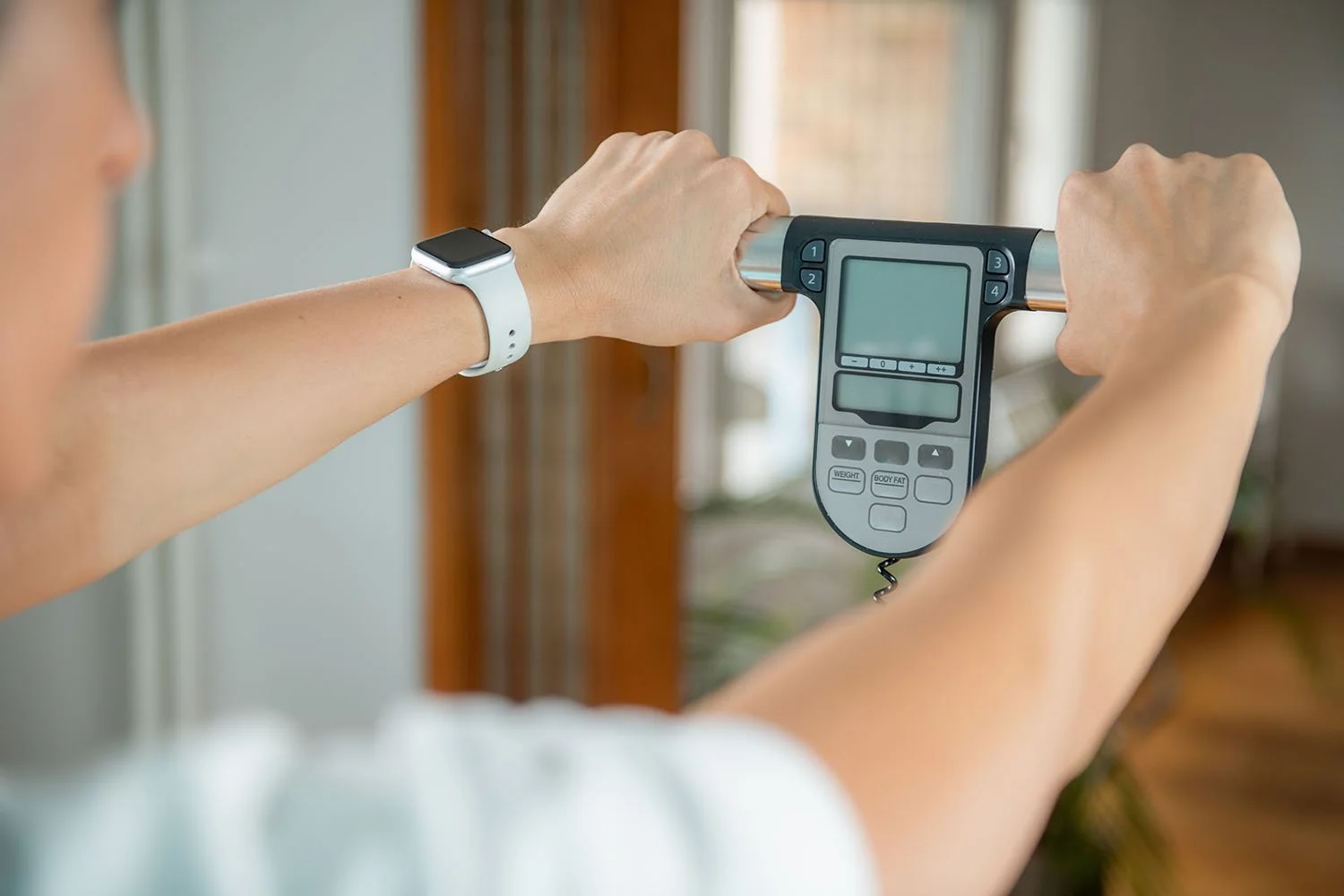
Blood pressure, weight, waist measurement, or other clinical findings
Appropriate laboratory testing based on symptoms and risk factors
Personal goals, preferences, costs, and barriers to care
Comprehensive care does not mean ordering every available hormone test. Testosterone, thyroid, cortisol, reproductive-hormone, glucose-related, and other tests should be selected based on clinical indications and interpreted in context.
Evidence-Based Weight-Management Options
Depending on the individual, a plan may include:
A sustainable eating pattern
Appropriate physical activity
Behavioral strategies and ongoing support
Sleep evaluation or treatment
Management of contributing medical conditions
Review of medications associated with weight change
Referral to a registered dietitian or other qualified specialist
FDA-approved prescription weight-management medication for eligible patients
Bariatric surgery evaluation for certain patients who meet established criteria
Prescription weight-management medications are not appropriate for everyone. Eligibility depends on factors such as health history, weight-related conditions, pregnancy status or plans, contraindications, drug interactions, and the specific medication.
Patients should receive realistic expectations about benefits, risks, side effects, monitoring, costs, and the likelihood that continued treatment may be needed. No medication can guarantee a specific amount or rate of weight loss, and individual responses vary.
Weight-Management Consultations in Cumming, GA
OTR Health & Wellness serves patients in Cumming and surrounding North Georgia communities, including Forsyth County, Alpharetta, Johns Creek, Suwanee, Dawsonville, Buford, Canton, and Gainesville.
If weight changes are affecting your health or previous approaches have not been sustainable, a consultation can provide a starting point. A licensed healthcare professional can review possible contributors, determine which testing is appropriate, discuss evidence-based options, and recommend referral when needed.
Weight management after 35 is not simply about trying harder, but neither is every struggle caused by hormones. Effective care begins with an individualized assessment, realistic goals, and a plan based on the patient’s health rather than a promise to “optimize” metabolism.
Medical Disclaimer
This article is for general educational purposes only and is not a substitute for individualized medical advice, diagnosis, or treatment. Reading this content, contacting OTR Health & Wellness, or submitting a form does not create a provider-patient relationship. Treatment recommendations are made only after an appropriate evaluation by a licensed healthcare professional. No treatment, prescription, procedure, amount of weight loss, or result is guaranteed. Individual eligibility and outcomes vary. OTR Health & Wellness does not provide emergency medical care. If you are experiencing a medical emergency, call 911 or seek immediate emergency assistance.
Other articles you might be interested in…