
The Link Between Belly Fat, Low Testosterone, and Poor Sleep in Men
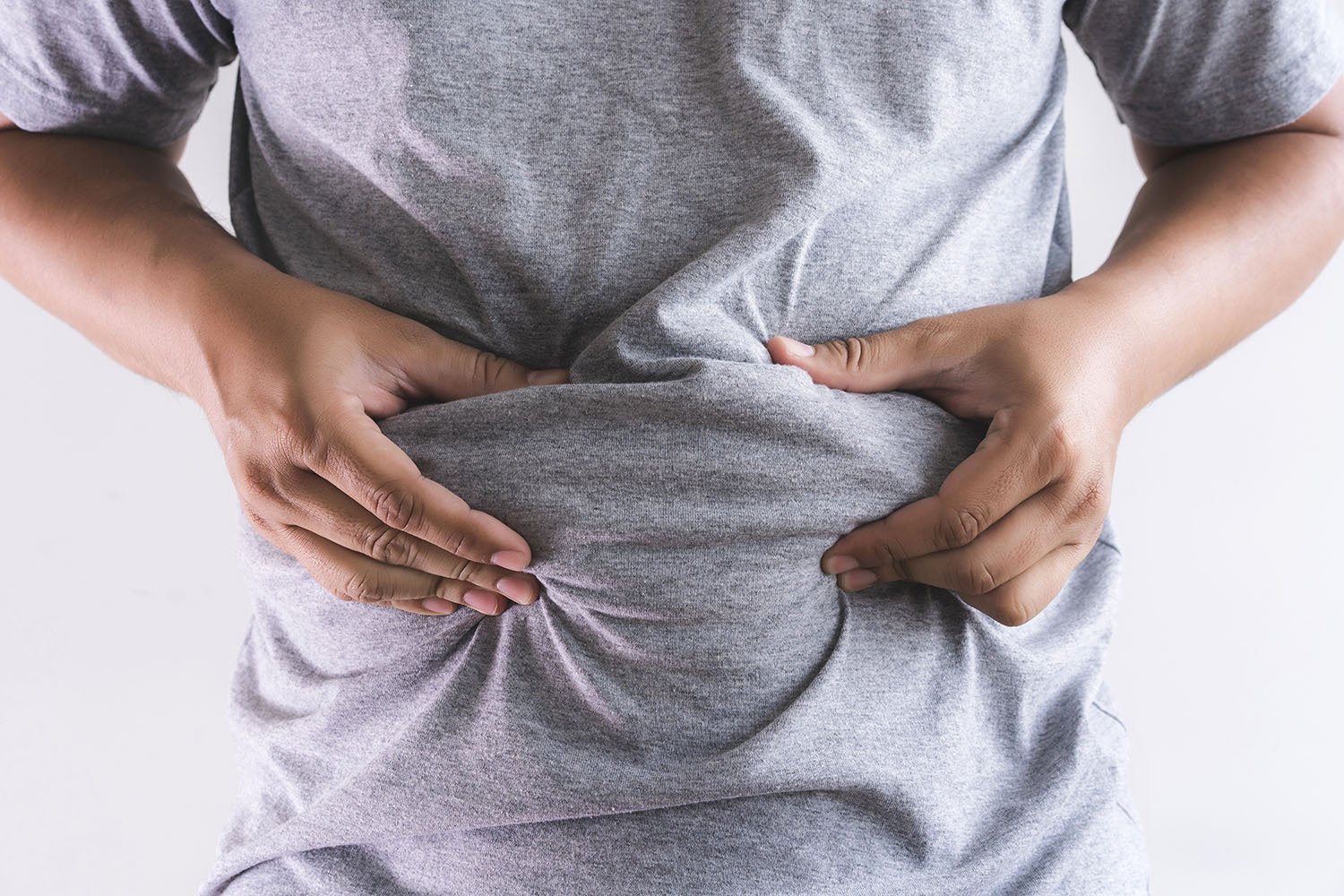
If you're a man over 40 living in Cumming, GA, and you've noticed that your waistline keeps growing while your energy keeps shrinking, you're not alone. Many men assume gaining belly fat, sleeping poorly, and feeling exhausted are simply part of getting older.
The truth is, these three issues are often connected.
Belly fat, low testosterone, and poor sleep can create a frustrating cycle that leaves men feeling tired, unmotivated, and unlike themselves. The encouraging news is that understanding what's happening inside your body is the first step toward improving your health.
At OTR Health & Wellness, we help men throughout Cumming, Alpharetta, Dawsonville, Johns Creek, and the surrounding North Georgia communities identify the root causes of these symptoms through comprehensive evaluations and personalized treatment plans—not guesswork. OTR specializes in hormone optimization, weight management, and wellness programs tailored to each patient's needs.
It's Not Just About the Number on the Scale
Many men become focused solely on losing weight, but where your body stores fat matters just as much as how much you weigh.
Excess abdominal fat—particularly the fat that surrounds your internal organs (known as visceral fat)—can have a significant impact on your overall health.
Visceral fat has been associated with:
Hormonal imbalance
Insulin resistance
Chronic inflammation
Increased cardiovascular risk
Sleep disturbances
Lower testosterone production
Unlike fat just beneath the skin, visceral fat is metabolically active, meaning it can influence hormone production and overall health in ways many men don't realize.
How Belly Fat Can Lower Testosterone
One of the biggest reasons belly fat and testosterone are connected is because fat tissue contains an enzyme called aromatase.
Aromatase converts testosterone into estrogen.
As abdominal fat increases, the body may convert more testosterone into estrogen, reducing the amount of testosterone available for normal bodily functions.
Lower testosterone can contribute to:
Fatigue
Reduced muscle mass
Increased body fat
Lower libido
Brain fog
Reduced motivation
Slower metabolism
Difficulty exercising
Unfortunately, this often creates a vicious cycle.
Lower testosterone makes it harder to build muscle and burn fat, leading to additional weight gain—which can further lower testosterone levels.
The Hidden Role Sleep Plays
Sleep is often overlooked when men think about hormone health.
In reality, quality sleep is one of the body's most important times for hormone production and recovery.
Much of a man's daily testosterone production occurs during sleep. When sleep is disrupted night after night, testosterone levels may decline while stress hormones such as cortisol rise.
Poor sleep can also contribute to:
Increased hunger
Sugar cravings
Reduced insulin sensitivity
Weight gain
Lower exercise performance
Slower recovery
Daytime fatigue
It's easy to see how sleep problems quickly affect every aspect of health.
Belly Fat Can Also Make Sleep Worse
The relationship works both ways.
Not only can poor sleep contribute to belly fat, but excess abdominal fat can also make quality sleep more difficult.
Men carrying extra weight around the midsection have a higher likelihood of developing conditions such as obstructive sleep apnea, where breathing repeatedly stops and starts throughout the night.
Common signs include:
Loud snoring
Waking up gasping
Morning headaches
Dry mouth
Daytime sleepiness
Difficulty concentrating
Many men believe they're getting eight hours of sleep, yet they never feel rested because their sleep quality is poor.
If sleep apnea or another sleep disorder is present, addressing it can be an important part of improving overall health.
Low Testosterone and Sleep: Which Comes First?
One of the most common questions patients ask at OTR Health & Wellness is:
"Did poor sleep cause my low testosterone, or did low testosterone cause my poor sleep?"
The answer is often both.
Low testosterone may contribute to:
Difficulty staying asleep
Lower energy during the day
Mood changes
Reduced recovery
Increased fatigue
Meanwhile, poor sleep can further reduce testosterone production and worsen hormone imbalance.
It's a cycle that often continues until the underlying issues are properly evaluated and addressed.
Lifestyle Changes Can Make a Difference
While hormone optimization may be appropriate for some men, lifestyle habits remain a critical part of improving body composition and hormone health.
Healthy habits include:
Prioritizing seven to nine hours of quality sleep
Strength training several days each week
Eating adequate protein
Managing stress
Limiting highly processed foods
Maintaining consistent physical activity
Reducing excess alcohol consumption
Staying hydrated
Small improvements made consistently can have meaningful long-term benefits.
When Should You Consider Hormone Testing?
Many men assume fatigue, weight gain, and declining motivation are simply part of aging.
However, persistent symptoms deserve a closer look.
You may benefit from a hormone evaluation if you're experiencing:
Difficulty losing belly fat
Constant fatigue
Poor sleep
Low libido
Brain fog
Mood changes
Reduced strength
Loss of muscle mass
Slower workout recovery
Decreased motivation
The only way to know whether low testosterone is contributing to your symptoms is through comprehensive medical evaluation and laboratory testing. OTR Health & Wellness emphasizes individualized assessments rather than one-size-fits-all treatment approaches.
Personalized Care Matters
At OTR Health & Wellness in Cumming, GA, we believe men deserve answers—not assumptions.
Rather than simply treating individual symptoms, our team works to understand the bigger picture.
Your evaluation may include:
Comprehensive lab testing
Hormone assessment
Review of sleep patterns
Body composition evaluation
Medical history
Lifestyle assessment
Personalized treatment recommendations
If testosterone optimization is appropriate, it is always carefully monitored and tailored to your specific health goals. Lifestyle improvements, nutrition, exercise, sleep quality, and long-term wellness remain key components of every treatment strategy.
Helping Men Throughout Cumming Feel Like Themselves Again
More men throughout Cumming, Alpharetta, Buford, Dawsonville, Suwanee, and Forsyth County are realizing that they don't have to accept chronic fatigue, stubborn belly fat, or poor sleep as inevitable parts of aging.
When these symptoms occur together, they're often connected.
By identifying the underlying causes, many men are able to improve their energy, body composition, sleep quality, confidence, and overall quality of life.
At OTR Health & Wellness, our mission is to help you better understand your health so you can make informed decisions about your future. Whether your symptoms are related to hormones, sleep, weight management, or a combination of factors, our team provides personalized care designed around your unique needs.
If you've been struggling with stubborn belly fat, declining energy, poor sleep, or symptoms of low testosterone, now may be the perfect time to schedule a consultation. Better health often begins with understanding what's really happening inside your body.
