
The Truth About "Skinny Fat": Why Body Composition Matters More Than the Scale
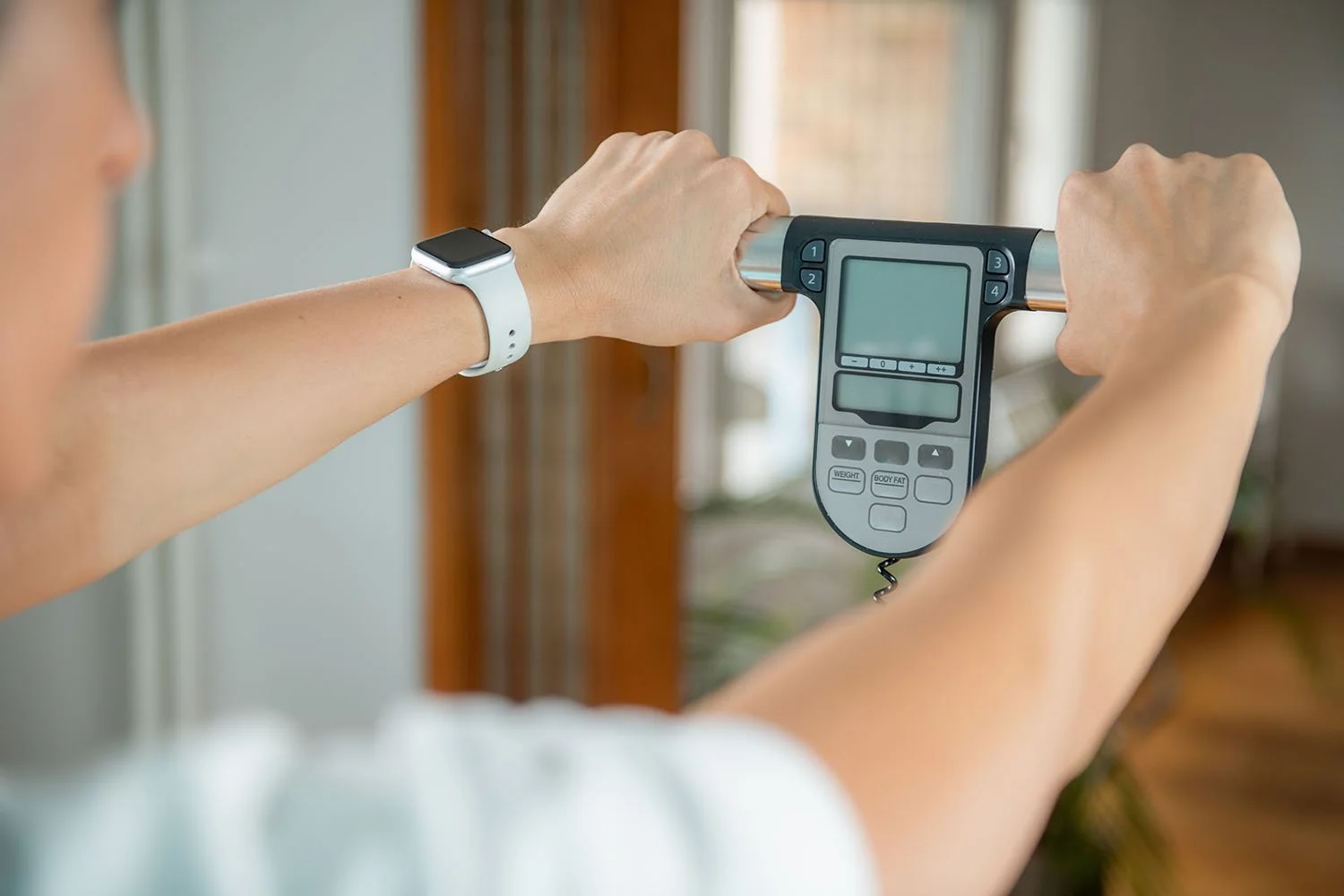
If you've ever stepped on the scale, seen a number you were happy with, but still didn't feel healthy, strong, or confident in your body, you're not alone.
Many people in Cumming, GA are surprised to learn that weight alone doesn't tell the whole story. In fact, it's possible to have a "normal" Body Mass Index (BMI) while still carrying too much body fat and not enough lean muscle—a condition often referred to as "skinny fat."
At OTR Health & Wellness, we encourage patients to think beyond the number on the scale. True health is about body composition—the balance between muscle, fat, water, and bone—not simply how much you weigh. That's why our personalized wellness programs focus on improving metabolic health, preserving lean muscle, optimizing hormones, and helping patients achieve sustainable, long-term results rather than chasing an arbitrary number on the scale.
What Does "Skinny Fat" Actually Mean?
"Skinny fat" isn't a medical diagnosis, but it's a commonly used term describing someone who appears thin or maintains a normal weight while carrying an unhealthy percentage of body fat and relatively little muscle mass.
This often happens because:
Muscle has gradually declined with age.
Physical activity has decreased.
Poor nutrition has led to fat gain despite stable weight.
Hormonal changes have slowed metabolism.
Chronic stress and poor sleep have negatively affected body composition.
The result?
Someone may fit comfortably into the same clothing size they've worn for years while actually becoming less metabolically healthy.
Why Muscle Matters More Than Most People Realize
Most people think about muscle in terms of appearance.
But muscle is actually one of your body's most important organs for long-term health.
Healthy muscle helps:
Burn more calories throughout the day
Improve insulin sensitivity
Support healthy blood sugar
Increase strength and mobility
Protect bones
Improve balance
Reduce injury risk
Support healthy aging
Unfortunately, adults naturally lose muscle mass as they get older—a process that often accelerates after age 35 and can become even more noticeable during menopause or as testosterone declines in men.
Without intentional resistance training, adequate protein, and healthy hormone levels, muscle is often replaced by fat—even when the scale barely changes.
The Scale Can Be Misleading
Imagine two people who each weigh 170 pounds.
One has:
18% body fat
Healthy muscle mass
Strong metabolism
The other has:
34% body fat
Low muscle mass
Slower metabolism
Although they weigh exactly the same, their health risks and physical performance may be dramatically different.
This is why relying solely on body weight can lead to frustration.
Many people become discouraged because:
The scale doesn't move.
Clothes still don't fit correctly.
Energy remains low.
They don't feel stronger.
Belly fat refuses to disappear.
In reality, the problem often isn't their weight.
It's their body composition.
Hormones Play a Bigger Role Than You Think
Hormones influence far more than mood or libido.
They also affect:
Muscle development
Fat storage
Metabolism
Recovery
Energy levels
Appetite
Sleep quality
At OTR Health & Wellness, many patients discover that hormonal imbalances have been quietly contributing to unwanted changes in body composition for years. Comprehensive evaluations can help identify underlying issues that may be affecting metabolism and overall wellness.
For men, declining testosterone may contribute to:
Loss of muscle
Increased abdominal fat
Lower energy
Reduced exercise performance
For women, perimenopause and menopause often bring hormonal changes that make it easier to gain fat while losing lean muscle, even when eating habits remain the same.
When hormones aren't functioning optimally, simply eating less isn't always enough.
Why Crash Diets Often Make Things Worse
One of the biggest mistakes people make is focusing exclusively on rapid weight loss.
Extreme dieting frequently causes the body to lose:
Water
Muscle
Some fat
Unfortunately, losing muscle slows metabolism.
That means once the diet ends, many people regain fat faster than before while continuing to lose muscle over time.
This cycle explains why repeated dieting often leaves people feeling "soft" despite weighing less than they did years earlier.
At OTR Health & Wellness, the goal isn't simply helping patients lose pounds.
It's helping them lose fat while preserving—or even building—lean muscle whenever possible.
Better Goals Than Losing Weight
Instead of asking:
"How much do I weigh?"
Consider asking:
Am I building lean muscle?
Am I reducing body fat?
Do I have more energy?
Am I sleeping better?
Do my clothes fit better?
Is my strength improving?
Is my waist measurement decreasing?
Am I healthier than I was six months ago?
Those measurements often tell a much more meaningful story than the bathroom scale.
Building a Healthier Body Composition
Improving body composition usually requires a combination of strategies.
These may include:
Strength Training
Resistance exercise encourages muscle growth while increasing calorie expenditure.
Adequate Protein
Protein provides the building blocks needed to maintain and repair muscle tissue.
Healthy Sleep
Poor sleep negatively affects hormones that regulate hunger, recovery, and metabolism.
Stress Management
Chronically elevated stress hormones can contribute to abdominal fat accumulation and muscle breakdown.
Personalized Medical Guidance
For some patients, comprehensive lab testing may identify hormone imbalances or metabolic concerns that make progress more difficult. Personalized treatment plans can address these underlying factors while supporting healthy body composition.
Why Personalized Care Makes the Difference
No two people have identical metabolism, hormone levels, medical history, or wellness goals.
That's why one-size-fits-all diets rarely produce lasting results.
At OTR Health & Wellness in Cumming, GA, every patient receives an individualized approach designed around their unique needs. Whether someone is struggling with stubborn weight, low energy, muscle loss, hormonal changes, or metabolic concerns, the focus is on identifying the root causes rather than simply treating symptoms.
Patients throughout Cumming, Forsyth County, Johns Creek, Alpharetta, Suwanee, Dawsonville, and surrounding North Georgia communities turn to OTR Health & Wellness for physician-guided wellness programs that emphasize long-term health—not quick fixes.
Stop Letting the Scale Define Your Success
The number on the scale is just one piece of the puzzle.
Your muscle mass, body fat percentage, metabolic health, energy, strength, confidence, and overall wellness paint a much more complete picture.
If you've been working hard without seeing the results you expect, it may be time to stop focusing solely on weight and start focusing on what truly matters: building a healthier body.
At OTR Health & Wellness, we're committed to helping people throughout Cumming, GA and the surrounding area optimize their health through personalized weight management, hormone optimization, comprehensive lab testing, and sustainable wellness strategies designed around the individual—not the scale.
Because lasting health isn't about becoming lighter.
It's about becoming stronger, healthier, and living your best life.
