Exercise Recovery After 40: Understanding Muscle, Hormones, and Healthy Aging
If workouts seem to take more out of you than they did years ago, you're not alone.
As adults get older, changes in muscle mass, training history, sleep, nutrition, physical activity, health conditions, medications, and other factors can affect exercise performance and recovery.
Hormonal changes may also be relevant for some individuals, but slower recovery after 40 should not automatically be interpreted as evidence of a “hormone imbalance.”
Understanding the bigger picture can help you develop a more sustainable approach to exercise and know when a medical evaluation may be appropriate.
Why Can Exercise Feel Different as We Get Older?
Aging is associated with changes throughout the body, including changes involving skeletal muscle.
Adults can experience gradual losses in muscle mass and strength with age, particularly when physical activity and resistance exercise are limited.
But chronological age isn't the only factor that determines how well someone performs or recovers.
Exercise recovery can also be influenced by:
Current fitness level
Training volume and intensity
Nutrition
Protein and overall calorie intake
Sleep
Hydration
Stress
Medications
Injuries
Medical conditions
Hormonal changes
Time allowed between workouts
Two people of the same age can therefore have very different exercise capacity and recovery needs.
Why Muscle Matters
Maintaining muscle and strength can support physical function, mobility, balance, and the ability to remain active as we age.
Resistance exercise is one important tool for supporting muscle and strength.
That doesn't mean everyone over 40 needs to train like a competitive athlete.
A sustainable program appropriate for your health, experience, and goals is more important than simply exercising harder.
If you're beginning a new exercise program, returning after a long period of inactivity, or have medical conditions that may affect exercise, talk with an appropriate healthcare professional about what is safe for you.
Strength Training After 40
Resistance training can remain valuable throughout adulthood.
Depending on your abilities and experience, resistance exercise might involve:
Free weights
Resistance machines
Resistance bands
Body-weight exercises
Other forms of progressively challenging muscular activity
The appropriate frequency, intensity, and progression vary from person to person.
More exercise isn't always better.
Training without sufficient recovery or progressing too quickly can increase soreness and the risk of injury.
A qualified fitness professional or healthcare professional can help determine an appropriate approach when needed.
Nutrition & Muscle Recovery
Nutrition also matters when supporting physical activity.
Adequate protein provides amino acids used in maintaining and repairing body tissues, including muscle.
Protein can come from foods such as:
Poultry, fish, and lean meats
Eggs
Dairy products
Beans and lentils
Soy foods
Nuts and seeds
Other plant and animal sources
Overall nutrition matters too. Protein isn't a substitute for an appropriately balanced eating pattern.
Individual nutritional needs vary based on health, body size, activity level, medical conditions, medications, goals, and other factors.
Patients with questions about their nutritional needs should consider discussing them with an appropriately qualified healthcare or nutrition professional.
Sleep & Recovery
Sleep plays an important role in health and recovery.
Persistent sleep problems can affect how someone feels during the day and may make exercise routines more difficult to maintain.
Sleep difficulties can have many potential causes, including:
Stress
Sleep disorders
Medications
Medical conditions
Alcohol or substance use
Menopausal symptoms
Lifestyle factors
Mental-health conditions
Other individual circumstances
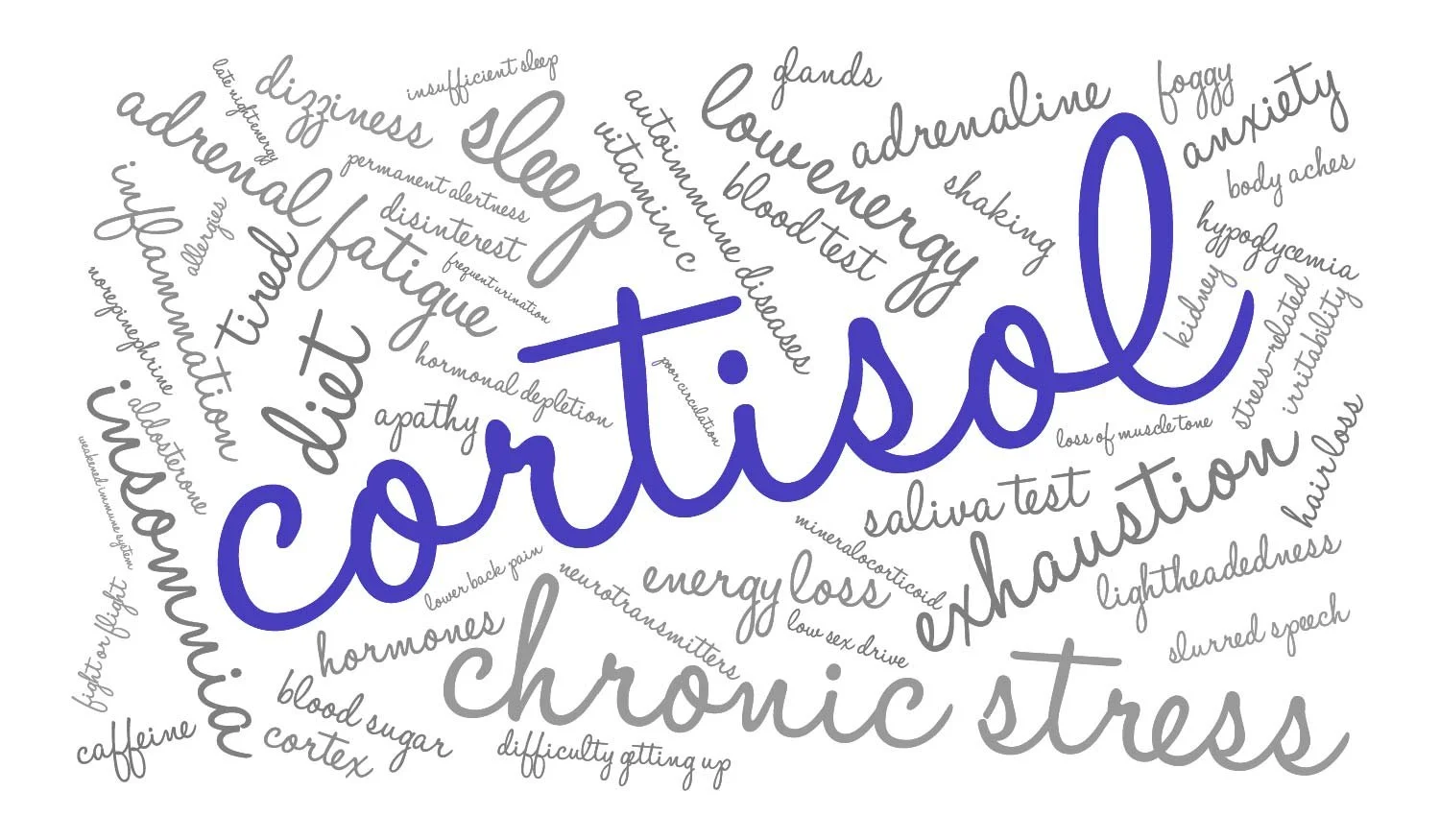
Poor sleep should not automatically be attributed to low testosterone, estrogen changes, cortisol, or another hormone.
If sleep problems are persistent or affecting your daily life, consider discussing them with a healthcare professional.
Do Hormones Affect Muscle?
Hormones are involved in many physiological processes, including processes related to muscle and body composition.
Hormonal changes also occur throughout adulthood.
For example, women experience hormonal changes during the menopausal transition, and testosterone levels can change in men as they age.
However, experiencing soreness, fatigue, reduced strength, difficulty gaining muscle, or changes in body composition does not by itself establish that a hormone deficiency is responsible.
Hormone levels are one potential consideration within a much larger clinical picture.
What About Testosterone?
Testosterone has important physiological roles in men, including effects involving sexual development, reproductive function, bone, and muscle.
Testosterone therapy may be appropriate for certain men with appropriately diagnosed testosterone deficiency.
But fatigue, poor workout recovery, difficulty building muscle, weight gain, or low motivation alone do not establish that a man has testosterone deficiency.
An appropriate evaluation generally considers symptoms, medical history, and laboratory testing when indicated.
Testosterone therapy should not be used simply as a workout-recovery, bodybuilding, anti-aging, or athletic-performance treatment.
What About Estrogen & Menopause?
Women may experience changes in physical health, sleep, body composition, and other areas during perimenopause and menopause.
Menopausal hormone therapy may be considered for certain appropriately selected women based on symptoms, medical history, potential risks and benefits, contraindications, and treatment goals.
However, menopausal hormone therapy should not be presented as a general treatment for improving exercise recovery, increasing muscle, accelerating fat loss, or improving athletic performance.
Women experiencing new or significant symptoms should receive an individualized evaluation rather than assuming that hormones are necessarily the cause.
When Might Medical Evaluation Make Sense?
Muscle soreness after a challenging workout is not necessarily a reason to order hormone testing.
But an evaluation may be appropriate if you are experiencing persistent, significant, unexplained, or worsening symptoms.
Examples might include:
Unexplained or persistent fatigue
Significant changes in strength or physical function
Persistent pain
Unexplained changes in weight
Significant sleep difficulties
Sexual-health changes
Menstrual or menopausal concerns
Other new or concerning symptoms
These symptoms can have many possible causes.
The goal of evaluation is not to prove that hormones are responsible. It is to consider relevant possibilities and determine whether further evaluation or testing is appropriate.
What Can Laboratory Testing Tell Us?
Laboratory testing may provide useful clinical information when appropriately selected.
Depending on the patient's circumstances, a healthcare professional may consider tests involving hormones or other health markers.
Laboratory results should be interpreted in context.
A single abnormal result does not necessarily explain fatigue, poor recovery, changes in body composition, or other nonspecific symptoms.
Likewise, treatment should not simply be aimed at achieving a predetermined “optimal” hormone number.
Recovery Isn't Just About Hormones
One of the most useful things adults can do when exercise becomes more difficult is resist the temptation to look for one simple explanation.
Recovery may involve the interaction of:
Training
Rest
Nutrition
Sleep
Health conditions
Medications
Injury history
Stress
Age-related changes
Hormonal factors
Other individual circumstances
Improving one or more of these areas may help support overall health and physical activity, but no single strategy guarantees a particular performance or body-composition result.
Focus on Sustainable Progress
Being over 40 doesn't mean you have to give up strength training, exercise, or ambitious health goals.
It may mean that your approach needs to evolve.
Pay attention to recovery. Progress training appropriately. Prioritize adequate nutrition and sleep. Address injuries and medical concerns rather than simply training through them.
And if something feels meaningfully different—not simply because you're comparing yourself with your 25-year-old self, but because you've experienced a persistent change in health—consider discussing it with a healthcare professional.
When OTR Health & Wellness May Be Able to Help
If you're experiencing symptoms that raise questions about hormone health, metabolic health, weight management, or other aspects of wellness, OTR Health & Wellness can provide an individualized clinical evaluation.
Depending on your circumstances, evaluation may include discussion of symptoms, medical history, medications, lifestyle factors, treatment history, and laboratory testing when clinically appropriate.
Hormone therapy is recommended only when a licensed healthcare professional determines that it is medically appropriate.
Scheduling an evaluation or completing laboratory testing does not guarantee that hormone therapy or another prescription treatment will be recommended.
[BUTTON: Schedule a Consultation]
Important Medical Information
This article is provided for general educational purposes and is not a substitute for individualized medical advice, diagnosis, treatment, exercise guidance, or nutrition advice.
Fatigue, prolonged soreness, changes in strength, changes in body composition, sleep problems, and other symptoms discussed in this article can have multiple potential causes. These symptoms alone do not establish a hormone deficiency or “hormone imbalance.”
Hormone therapy is not appropriate for every patient and should be prescribed only following an appropriate clinical evaluation.
Individual results vary. OTR Health & Wellness does not guarantee improvement in muscle mass, strength, exercise recovery, energy, athletic performance, weight, body composition, or any other particular outcome from hormone therapy or another treatment.
If you experience severe, sudden, persistent, or otherwise concerning symptoms, seek appropriate medical care.
Other articles you might be interested in…