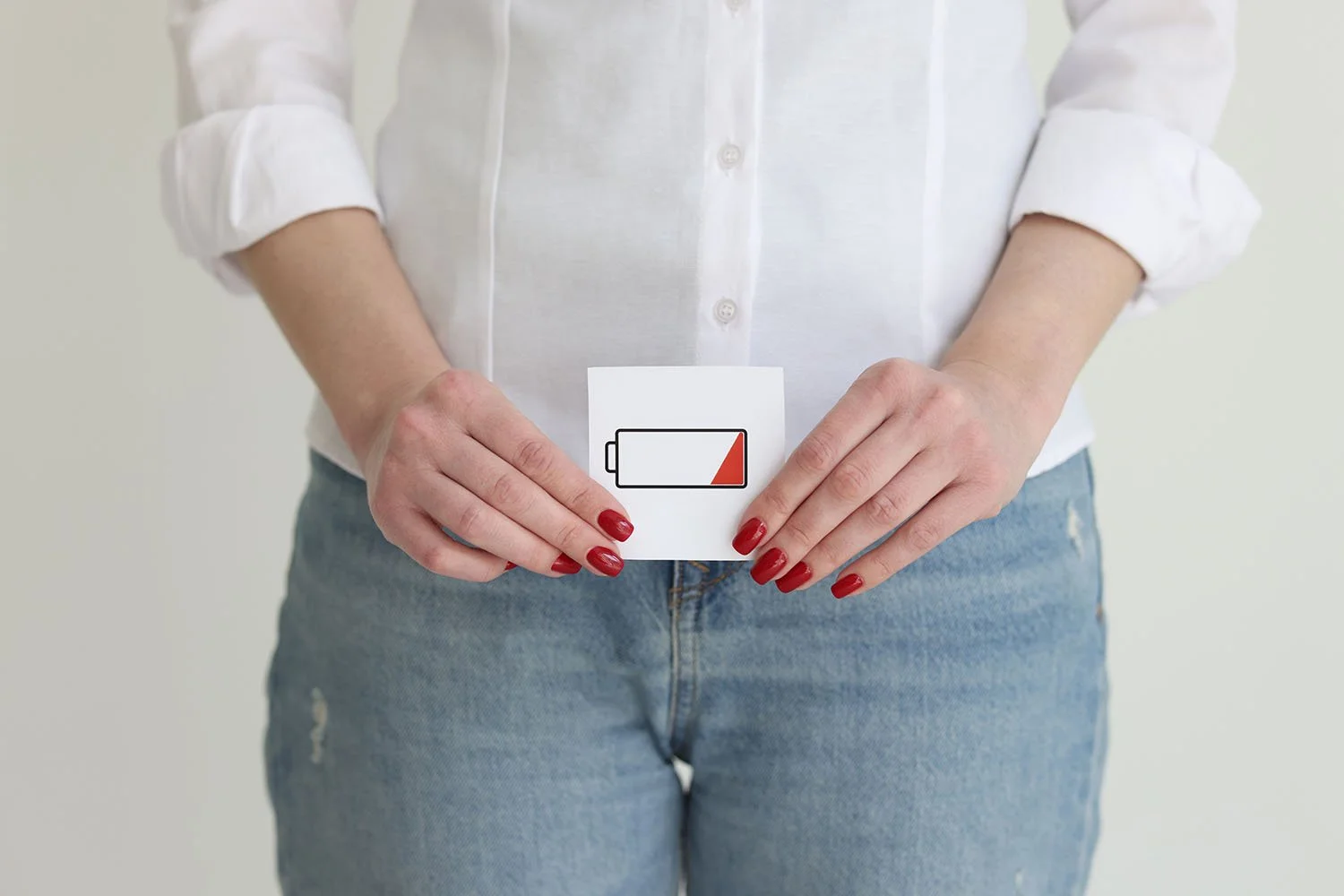
Feeling exhausted, overwhelmed, or mentally foggy can make everyday responsibilities difficult to manage. You may struggle to concentrate at work, feel less patient with family, or wonder why rest no longer seems sufficient.
These experiences deserve attention, but they do not automatically indicate a hormone deficiency. Stress, disrupted sleep, depression, anxiety, medication effects, and medical conditions can cause overlapping symptoms.
For adults in Cumming, GA, and surrounding communities, a conversation with a qualified healthcare professional can help clarify what may be contributing. At OTR Health & Wellness, an individualized evaluation is the starting point for discussing whether hormone-related care may be appropriate.
Understanding Burnout and Persistent Exhaustion
People often use “burnout” to describe feeling depleted by work, caregiving, or other ongoing demands. In its formal definition, the World Health Organization describes burnout as an occupational phenomenon associated with chronic workplace stress that has not been successfully managed. It is not classified as a medical condition or a hormone disorder. who.int
Regardless of the label, persistent symptoms can affect daily life. These may include:
Emotional exhaustion or irritability
Difficulty concentrating
Reduced motivation
Trouble falling or staying asleep
Feeling overwhelmed by ordinary responsibilities
Withdrawal from activities or relationships
An evaluation should consider both emotional health and physical health. Assuming that hormones explain every symptom can delay care for another treatable concern.
How Hormones May Relate to Mood and Energy
Hormones help regulate many bodily functions, but the relationship between hormones and mental wellness is complex. A symptom such as fatigue or poor concentration cannot identify which hormone, if any, is involved.
The purpose of an evaluation is to understand the pattern of symptoms, review possible causes, and determine whether testing is medically appropriate. It is not to pursue a universal “optimal” hormone level or promise a particular emotional outcome.
Menopause-Related Changes
During perimenopause and menopause, some women experience changes in sleep, mood, and concentration alongside symptoms such as hot flashes or night sweats.
Menopausal hormone therapy may be an option for certain menopause-related symptoms after an individualized discussion. It should not be presented as a guaranteed way to restore emotional balance or sharpen thinking. Depression and anxiety also require their own assessment and appropriate treatment; hormone therapy does not replace that care. NICE
Treatment decisions should account for age, symptoms, medical history, and personal preferences. Hormone therapy carries risks, including blood clots and stroke with some treatments, and the balance of benefits and risks varies by person and formulation. acog.org
Testosterone Deficiency in Men
Low motivation, fatigue, or mood changes alone do not establish testosterone deficiency.
A diagnosis requires compatible symptoms or signs together with consistently low testosterone levels, generally confirmed through at least two separate early-morning blood tests. A clinician should also investigate the cause of a confirmed deficiency before recommending treatment. Endocrine Society
Testosterone replacement therapy is not a general treatment for burnout, depression, or reduced productivity. It should not be prescribed simply to raise a normal testosterone level or promise confidence, motivation, or mental performance.
For an appropriate candidate, treatment requires discussion of potential benefits, alternatives, and risks. Testosterone can suppress sperm production, increase red blood cell levels, and raise blood pressure. Fertility goals, cardiovascular history, sleep apnea, and other relevant conditions should be reviewed, with ongoing monitoring if treatment is prescribed. Endocrine Society
Stress Does Not Automatically Mean a Cortisol Disorder
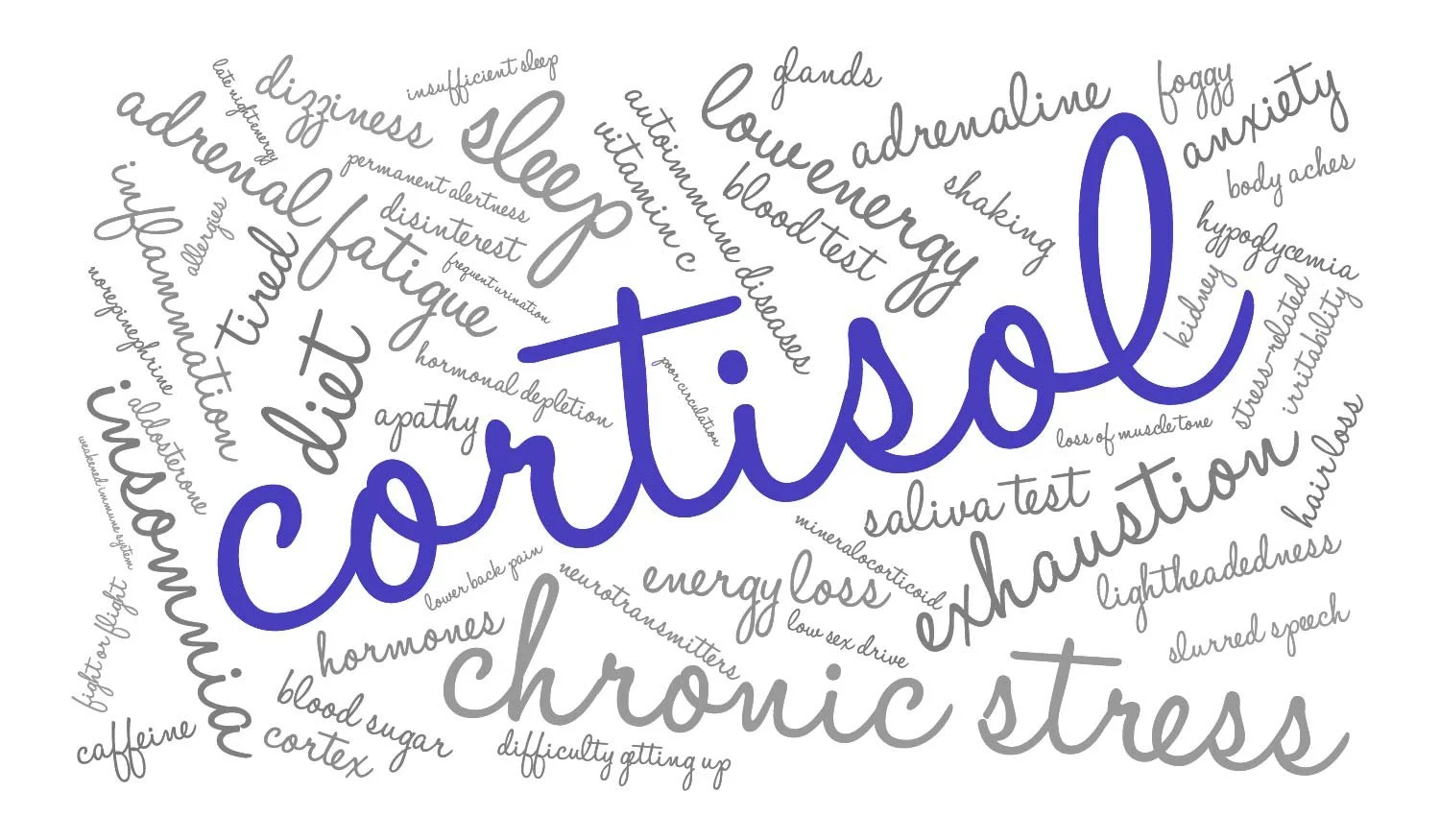
Cortisol plays a normal role in the body’s stress response. Feeling stressed, tired, or overwhelmed does not by itself establish that cortisol levels are abnormal or that hormone treatment is needed.
Claims that routine hormone therapy can “reset cortisol,” repair “adrenal fatigue,” or restore stress resilience should be approached cautiously. The Endocrine Society notes that “adrenal fatigue” is not supported as a scientific diagnosis and that tests marketed for it may be unreliable. Recognized adrenal conditions require specific medical evaluation. Endocrine Society
Testing should answer a clinical question based on symptoms and examination findings. A broad hormone panel or isolated cortisol result should not be used to explain every experience of exhaustion.
What an Individualized Evaluation May Include
A useful appointment starts with your experience: when symptoms began, how often they occur, and how they affect your daily life.
Depending on your concerns, a healthcare professional may review:
Sleep duration, sleep quality, and possible sleep apnea
Work demands, caregiving responsibilities, and recent life changes
Symptoms of depression or anxiety
Prescription medications, supplements, alcohol, and other substances
Menstrual changes or menopause-related symptoms
Sexual symptoms and fertility goals
Existing medical conditions and previous laboratory results
Testing may be recommended when the history or examination suggests a possible medical cause. Not everyone needs hormone testing, and an evaluation does not guarantee a prescription.
If symptoms suggest a concern outside the clinician’s scope, referral to primary care, mental health care, sleep medicine, or another specialist may be appropriate.
A Care Plan Should Match the Cause
There is no single treatment for persistent fatigue, emotional exhaustion, or difficulty concentrating. Appropriate care depends on what an evaluation identifies.
For some people, the next step may involve addressing disrupted sleep or an underlying medical condition. Others may benefit from counseling, treatment for depression or anxiety, or practical changes to ongoing demands. Hormone treatment may be considered only when there is a suitable clinical indication.
Even when a hormone-related condition is present, it may explain only part of the picture. Follow-up should assess symptoms, side effects, laboratory findings when relevant, and whether the treatment remains appropriate.
Supporting Well-Being Beyond Hormone Treatment
Daily habits and practical support can be part of a broader care plan. Depending on your circumstances, useful steps may include:
Keeping a consistent sleep schedule
Making time for regular physical activity suited to your health
Eating regular, balanced meals
Reviewing caffeine and alcohol use with your clinician
Establishing manageable boundaries around work and caregiving
Seeking counseling or support when stress becomes difficult to manage
These steps should be realistic. Someone facing heavy responsibilities may need help reducing those demands, rather than another list of expectations.
Discuss Your Symptoms With OTR Health & Wellness
If fatigue, mood changes, or difficulty concentrating are affecting your life, you do not need to determine the cause on your own.
OTR Health & Wellness in Cumming, GA, offers a starting point for discussing hormone-related concerns and whether further evaluation may be appropriate. Adults in Forsyth County and nearby communities, including Suwanee, Alpharetta, Johns Creek, and Dawsonville, can contact the practice to ask about an appointment.
The goal is an informed next step based on your symptoms and medical needs. Hormone treatment, when appropriate, is one possible component of care—not a promised solution for burnout or mental health concerns.
Contact OTR Health & Wellness to discuss your concerns and learn about the evaluation process.
Medical Disclaimer
This article is for general educational purposes only and is not a substitute for professional medical advice, diagnosis, or treatment. Reading this information does not establish a provider-patient relationship. Any treatment or prescription requires an individualized evaluation by a licensed healthcare professional and is not guaranteed. Hormone therapy is not appropriate for everyone and is not offered for bodybuilding or athletic enhancement. Benefits, risks, and responses vary, and ongoing monitoring may be necessary. Do not stop or change prescribed medication without consulting your prescriber. This website does not provide emergency care; call 911 or seek emergency medical attention for an immediate emergency.
Other articles you might be interested in…