Men’s Health After 40: What Actually Changes — And What You Can Control
If you’re a man in your 40s (or beyond) and you’ve started feeling “not quite like yourself” — lower energy, harder workouts, stubborn belly fat, a dip in motivation, changes in sex drive, or sleep that doesn’t restore you — you’re not imagining it. Men’s health after 40 does shift.
But here’s the empowering part: a lot of what changes is measurable, and a lot of what impacts how you feel is modifiable.
At OTR Health & Wellness in Cumming, GA, our focus is helping men understand what’s happening inside their body (hormones, metabolism, recovery, sexual health) and build a proactive plan that fits real life — not internet hype.
Below is an evergreen, cornerstone guide to what typically changes after 40 — and what you can control.
What changes after 40 (and why it can feel sudden)
1) Testosterone trends downward — but not always for the reason you think
Testosterone levels commonly decline with age, and many men notice the effects more clearly after 40. Some estimates describe about a ~1% per year decline after age 40, though the rate varies from person to person.
One important nuance: aging isn’t the only driver. Metabolic health, body fat, sleep quality, stress load, and certain medical conditions can strongly influence testosterone and symptoms. Research increasingly links “low T” patterns with metabolic issues (like obesity/metabolic syndrome), not just birthdays.
What you might notice when testosterone is low (or when your hormone balance is off):
Low libido or reduced morning erections
Fatigue, low drive, “flat mood”
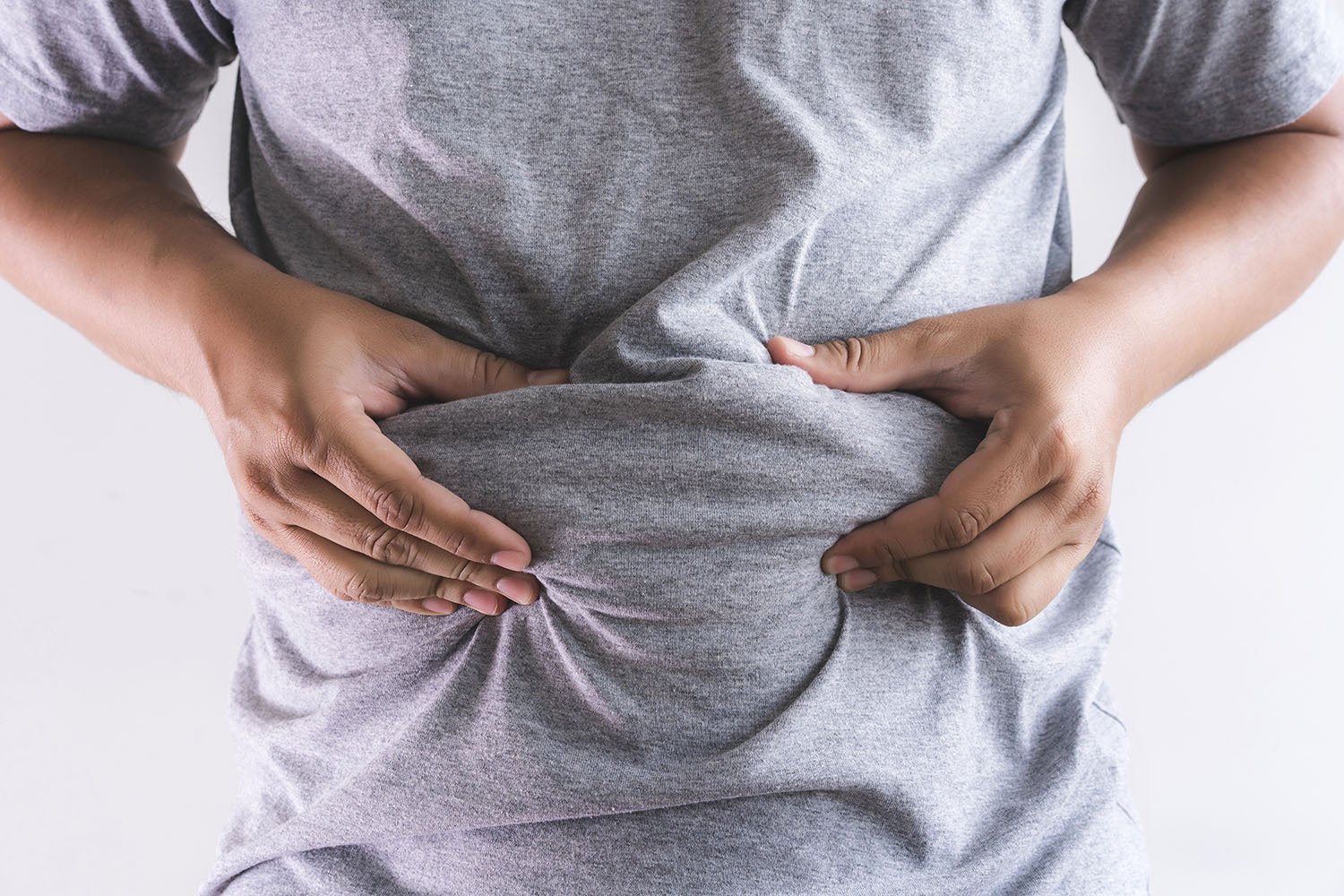
More body fat (especially midsection) and less lean muscle
Slower recovery, more soreness
Sleep disruptions
Brain fog or reduced focus
None of these symptoms automatically mean you need TRT — but they do mean it’s worth evaluating the full picture with a qualified clinician.
At OTR Health & Wellness, men come in from Cumming, Forsyth County, and nearby areas like Buford, Suwanee, Johns Creek, Alpharetta, Gainesville, and Dawsonville looking for clarity and a plan grounded in labs, symptoms, and long-term outcomes.
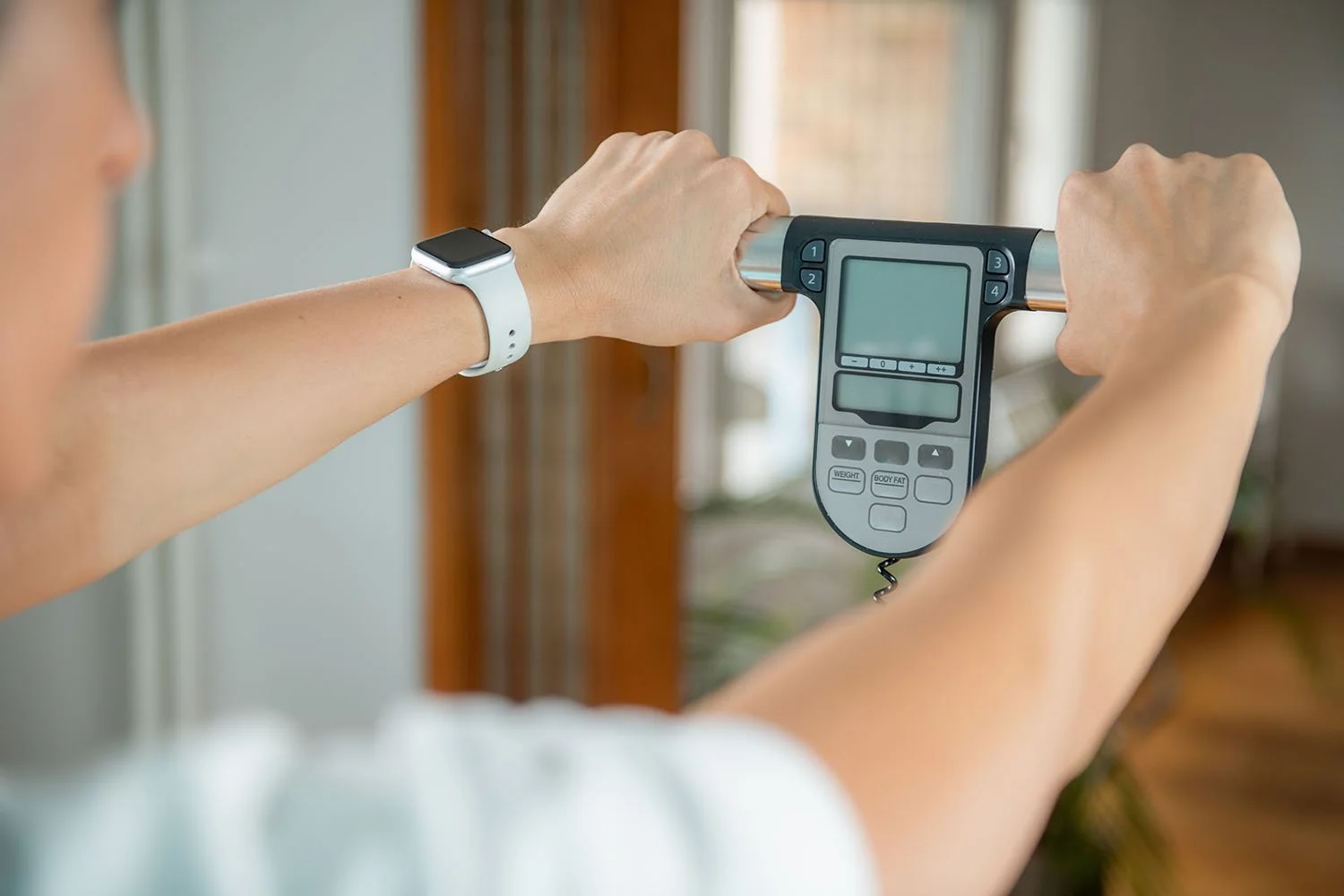
2) Your metabolism and body composition shift (often through muscle loss + lifestyle drift)
Many men blame a “slow metabolism,” but the bigger story is usually body composition and energy expenditure patterns over time. Resting metabolic rate can decline with age, and muscle mass plays a major role. Clinical sources note that BMR tends to decrease as we age — largely due to loss of lean mass, with hormonal and neurological factors also contributing.
At the same time, newer research suggests metabolism may not “crash” exactly at 40 for everyone — which reinforces the key point: your choices matter.
Common after-40 patterns:
Less incidental activity (more sitting, more screen time)
Less strength training than in your 20s/30s
Slightly worse sleep consistency
More stress + less recovery
More calories from convenience
The result can feel like: “I’m doing the same things, but they’re not working anymore.” Usually, you’re not doing the same things — life just quietly changed the inputs.
3) Sexual health becomes more “systems-based”
Sexual health after 40 is rarely about one single hormone. Libido and performance are influenced by:
Hormones (testosterone, estrogen balance, thyroid)
Blood flow and cardiovascular health
Sleep quality (and potential sleep apnea)
Stress, anxiety, depression
Metabolic health (insulin resistance, inflammation)
Medication side effects
This is why a real plan shouldn’t be “one supplement + hope.” It should be a whole-system optimization strategy.
What you can control: a practical optimization framework
Step 1: Measure the right things (don’t guess)
If you’re serious about men’s health after 40, start with data — and interpret it in context.
A clinician-led evaluation often includes symptom review + labs that may look at:
Total and free testosterone (timing matters)
Estradiol (balance matters)
CBC / CMP (overall health + safety markers)
Lipids, A1C, fasting insulin (metabolic health)
Thyroid markers
Vitamin D, B12 (common “silent drags”)
In some cases: PSA and other age-appropriate screening
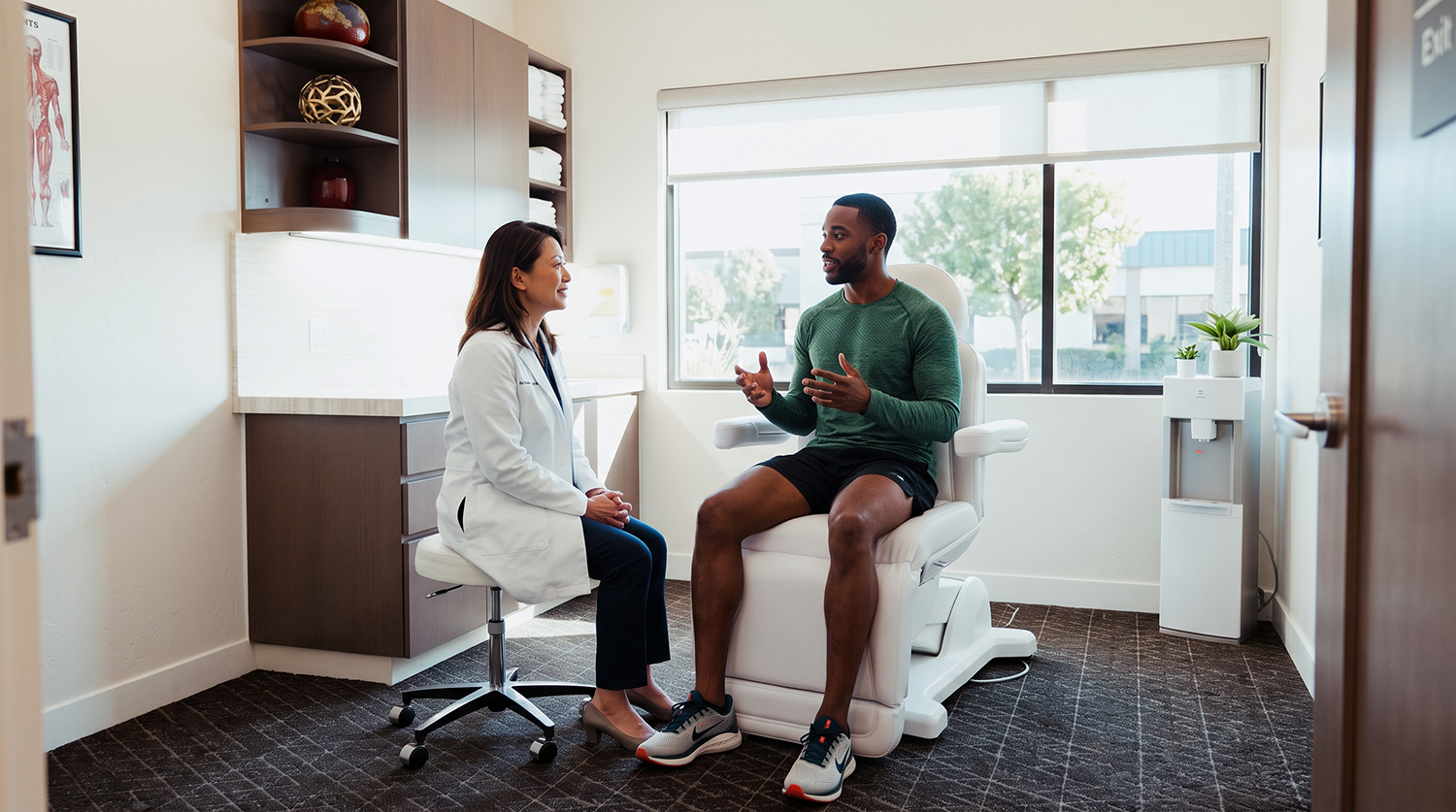
At OTR Health & Wellness, the goal is to connect symptoms to lab patterns and build a plan that’s personalized — not cookie-cutter.
Step 2: Rebuild the “big four” that move the needle
You don’t need perfection — you need consistency in the levers that actually work.
1) Strength training (non-negotiable)
Prioritize compound lifts + progressive overload
Train 3–4 days/week if possible
Keep it sustainable: consistency beats intensity spikes
2) Protein + whole-food structure
Higher-protein patterns support lean mass goals
Build meals around protein + fiber + healthy fats
Reduce “liquid calories” and ultra-processed defaults
3) Sleep as a performance tool
Poor sleep can amplify cravings, stress hormones, and fatigue — and it can impact testosterone and sexual health signals. If you snore, wake up unrefreshed, or crash mid-afternoon, investigate sleep quality seriously.
4) Stress and recovery
After 40, recovery becomes strategy. You can train hard or you can stay stressed — doing both usually backfires.
Step 3: Weight management that supports hormones (not fights them)
Excess body fat can disrupt hormone balance and worsen inflammation. OTR’s own education emphasizes that improving metabolic health and body composition can support better hormone function and overall performance.
A smart approach focuses on:
Realistic calorie control (without crash dieting)
Strength training + steps
Lab-informed strategies
Accountability and follow-through
Step 4: Consider TRT only when it’s appropriate — and monitored
Testosterone Replacement Therapy can be life-changing for the right candidate, but it’s not a shortcut and it’s not for everyone.
If symptoms + labs support testosterone deficiency, medically supervised TRT typically includes:
A structured plan (not random dosing)
Ongoing lab monitoring and symptom tracking
Attention to heart health markers, blood counts, and overall risk profile
Lifestyle alignment so therapy supports (not replaces) fundamentals
OTR offers men’s health services focused on hormone optimization and overall wellness, and encourages guided care rather than self-prescribing or guessing.
Men’s health after 40 in Cumming, GA: your next right step
If you’re in Cumming, GA (or nearby — Forsyth County, Buford, Suwanee, Johns Creek, Alpharetta, Gainesville, Dawsonville), the best move is simple:
Stop guessing
Get evaluated
Build a plan you can actually sustain
OTR Health & Wellness welcomes patients in-person (by appointment) and also offers telehealth options. Their contact page lists: 214 Canton Rd, Unit G, Cumming, GA 30040 and Call/Text: 478-239-0413.
When you treat men’s health after 40 as a systems problem — hormones, metabolism, sleep, stress, sexual health, and habits — you stop chasing quick fixes and start building momentum.
And that’s the real goal: not just “normal labs,” but better energy, better performance, better confidence, and better years ahead.
Medical note: This article is for educational purposes and isn’t medical advice. Always consult a qualified clinician for diagnosis and treatment.
Other articles you might be interested in…