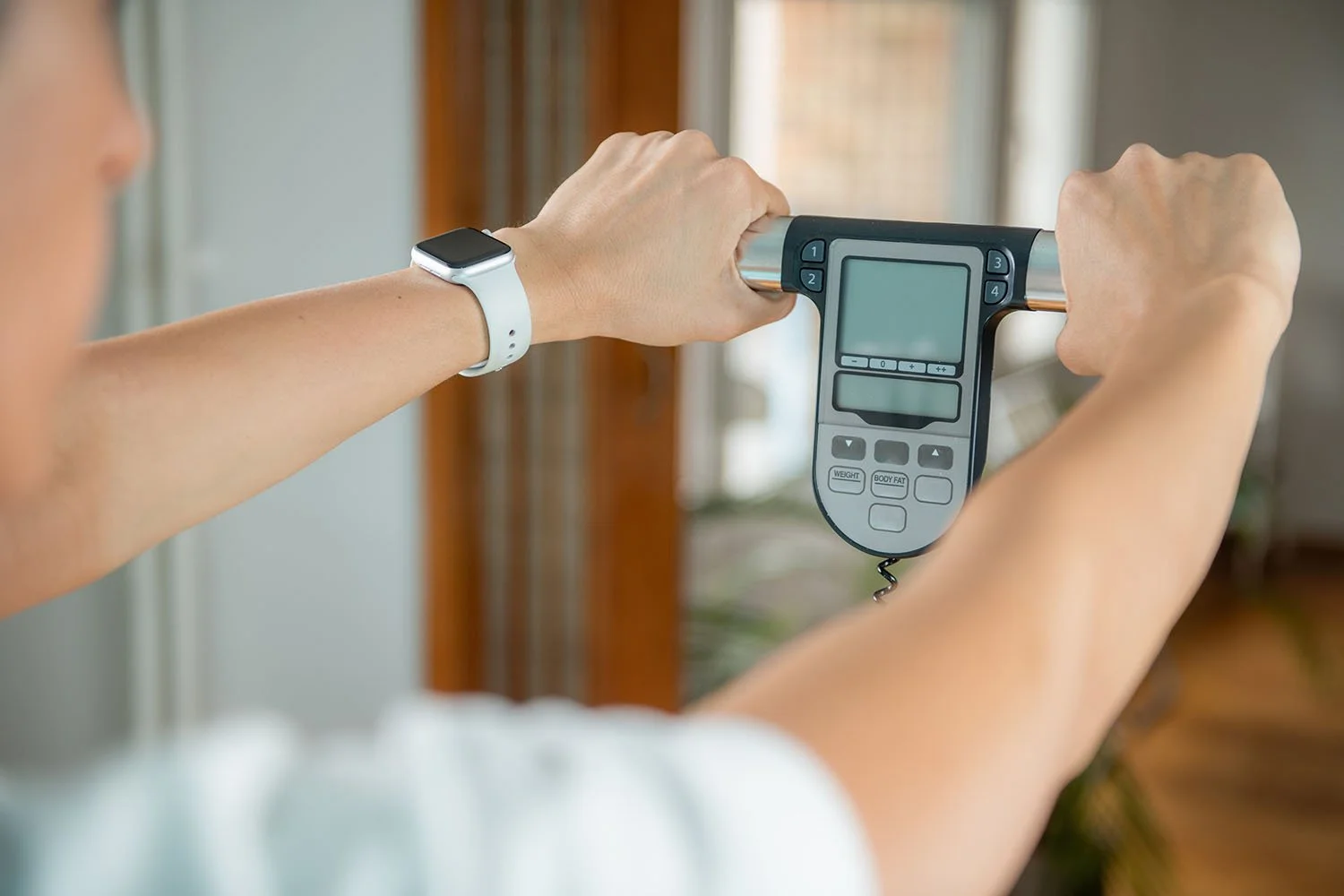
A weight-management plan should account for your medical needs, previous experiences, and daily responsibilities. That begins with understanding your health—not promising a particular number on the scale.
For adults in Cumming, GA, and surrounding Forsyth County communities, OTR Health & Wellness offers a starting point for discussing weight-related concerns and available care options.
An individualized evaluation can help determine whether lifestyle support, prescription treatment, further testing, or referral may be appropriate. Personalization helps guide those decisions, but it does not guarantee weight loss or lasting results.
Start With Your Health History and Priorities
Before recommending treatment, a clinician needs to understand more than your current weight.
Topics worth discussing include:
Personal and family medical history
Current medications and supplements
Previous weight-management approaches and experiences
Eating patterns, appetite, and access to food
Physical activity and any limitations
Sleep quality and daily responsibilities
Pregnancy, breastfeeding, or pregnancy plans
Your concerns, preferences, and treatment goals
Be open about approaches that were difficult to maintain or caused unwanted effects. That information can help guide care without treating previous experiences as a failure of motivation.
Your evaluation may also identify concerns that require coordination with primary care or another healthcare professional.
Testing Should Answer a Medical Question
Not everyone seeking weight-management care needs the same laboratory tests.
Depending on your history and examination, a clinician may recommend testing related to blood glucose, cholesterol, or another specific concern. Testing should have a clear purpose and help inform a decision.
Difficulty losing weight does not, by itself, establish insulin resistance, a hormone deficiency, or a condition described as “metabolic resistance.” Broad hormone panels and tests marketed as “advanced” are not automatically necessary.
If symptoms suggest a separate hormone-related condition, that concern can be evaluated on its own merits. Hormone therapy should not be added as a treatment for weight loss or to enhance metabolism.
Set Goals That Reflect Your Medical Needs
A useful care plan includes goals you and your clinician can review together.
Weight may be one measure, but discussions can also address daily functioning, nutritional intake, relevant health markers, and treatment tolerability. Goals should account for medical conditions, physical limitations, and what is practical in your circumstances.
Questions to ask include:
Which outcomes are medically relevant for me?
How will we assess whether the plan is helping?
What would prompt a change in treatment?
What costs and follow-up commitments should I expect?
There is no universal timeline or amount of weight loss that every patient should expect. A plan should allow for reassessment rather than promise steady progress.
Build Nutrition and Activity Recommendations Around Daily Life
Recommendations are easier to discuss honestly when they account for your schedule, resources, preferences, and abilities.
Nutrition discussions may include meal patterns, adequate nourishment, hydration, and barriers such as food costs or persistent gastrointestinal symptoms. A registered dietitian may be helpful when nutritional needs require additional support.
Activity recommendations should consider your starting point, injuries, and medical conditions. Ask what types of movement are appropriate and whether any restrictions apply.
The purpose is to develop manageable steps and identify where support is needed. Following a plan consistently does not guarantee a particular weight outcome.
Consider Prescription Medication Only When Appropriate
Prescription weight-management medication may be an option for some adults, but eligibility requires more than wanting to lose weight.
For many medications, clinicians consider a body mass index of at least 30, or at least 27 with a weight-related health condition. The exact product indication and the individual’s medical circumstances govern suitability. An appointment does not guarantee a prescription. NIDDK
Some FDA-approved products contain semaglutide or tirzepatide. Semaglutide acts on GLP-1 receptors, while tirzepatide acts on both GIP and GLP-1 receptors. Products have different approved uses, dosing instructions, and safety considerations; they should not be treated as interchangeable.
Before starting a medication, discuss:
The exact product and its prescribed purpose
Expected benefits and their limitations
Common side effects and serious risks
Other medications and potential interactions
Alternatives, costs, and access
Instructions for follow-up and missed doses
For example, Zepbound’s prescribing information includes gastrointestinal side effects and warnings concerning pancreatitis, gallbladder disease, and kidney injury related to dehydration. It carries a boxed warning about thyroid C-cell tumors observed in rats; whether it causes these tumors in humans is unknown. It is contraindicated with a personal or family history of medullary thyroid carcinoma or multiple endocrine neoplasia syndrome type 2. These are not all of its safety considerations. accessdata.fda.gov
Weight-loss medications should not be taken during pregnancy or when planning pregnancy. Discuss pregnancy plans and any required stopping interval with the prescriber. NIDDK
Understand FDA-Approved and Compounded Products
If a compounded medication is proposed, ask why it is being considered and whether an FDA-approved option can meet your needs.
Compounded medications are not FDA-approved. FDA does not review them for safety, effectiveness, or quality before marketing. They should not be described as approved generics or equivalent versions of branded products. Compounding is intended for circumstances in which a patient’s medical needs cannot be met by an available FDA-approved drug. FDA
Use Follow-Up to Review Benefits and Problems
Follow-up should assess how the plan is affecting your health, including any unwanted effects or difficulties.
Depending on your treatment, discussions may address:
Weight trends and relevant health measurements
Appetite and ability to eat adequately
Medication side effects
Changes in other prescriptions or medical conditions
Practical barriers, including cost and appointment access
Whether treatment should continue, change, or stop
A weight plateau does not automatically call for a higher dose or another medication. Persistent symptoms should be discussed rather than accepted as the price of progress.
Do not change doses, combine weight-loss products, or restart interrupted treatment without instructions from your prescriber.
Discuss Ongoing Care Before Reaching a Weight Goal
Reaching a goal does not automatically mean medication should end. Some weight-management medications are intended for long-term use when they remain beneficial and appropriate. Weight regain can occur after treatment stops, and lifestyle changes cannot guarantee prevention. NIDDK
Ask early how ongoing care will be reviewed, what might prompt discontinuation, and what follow-up would be needed afterward.
A maintenance plan should set realistic expectations. It should not promise a permanent metabolic change, automatic transition to a lower dose, or protection against future weight regain.
Discuss Your Options With OTR Health & Wellness
If you have questions about weight management, bring your medical history, medication list, relevant test results, and previous treatment experiences to the conversation.
Adults in Cumming, Alpharetta, Johns Creek, Suwanee, Dawsonville, and nearby communities can contact OTR Health & Wellness to ask about available services, appointment formats, costs, and follow-up requirements.
You do not need to arrive with a diagnosis or a preferred medication. The first step is determining which options, if any, fit your medical needs.
Call or text 478-239-0413 to ask about scheduling an individualized evaluation with OTR Health & Wellness. A consultation does not guarantee treatment, a prescription, or a specific result.
Medical Disclaimer
This article is for general educational purposes only and is not a substitute for professional medical advice, diagnosis, or treatment. Reading this information does not establish a provider-patient relationship. Testing, treatment, and prescriptions require an individualized evaluation by a licensed healthcare professional and are not guaranteed. Weight-management medications are not appropriate for everyone; benefits, risks, and responses vary. Compounded medications are not FDA-approved. Hormone therapy is not offered for weight loss, bodybuilding, or athletic enhancement. Do not stop, restart, or change prescribed medication without guidance from your prescriber. This website does not provide emergency care; call 911 or seek emergency medical attention for an immediate emergency.
Other articles you might be interested in…