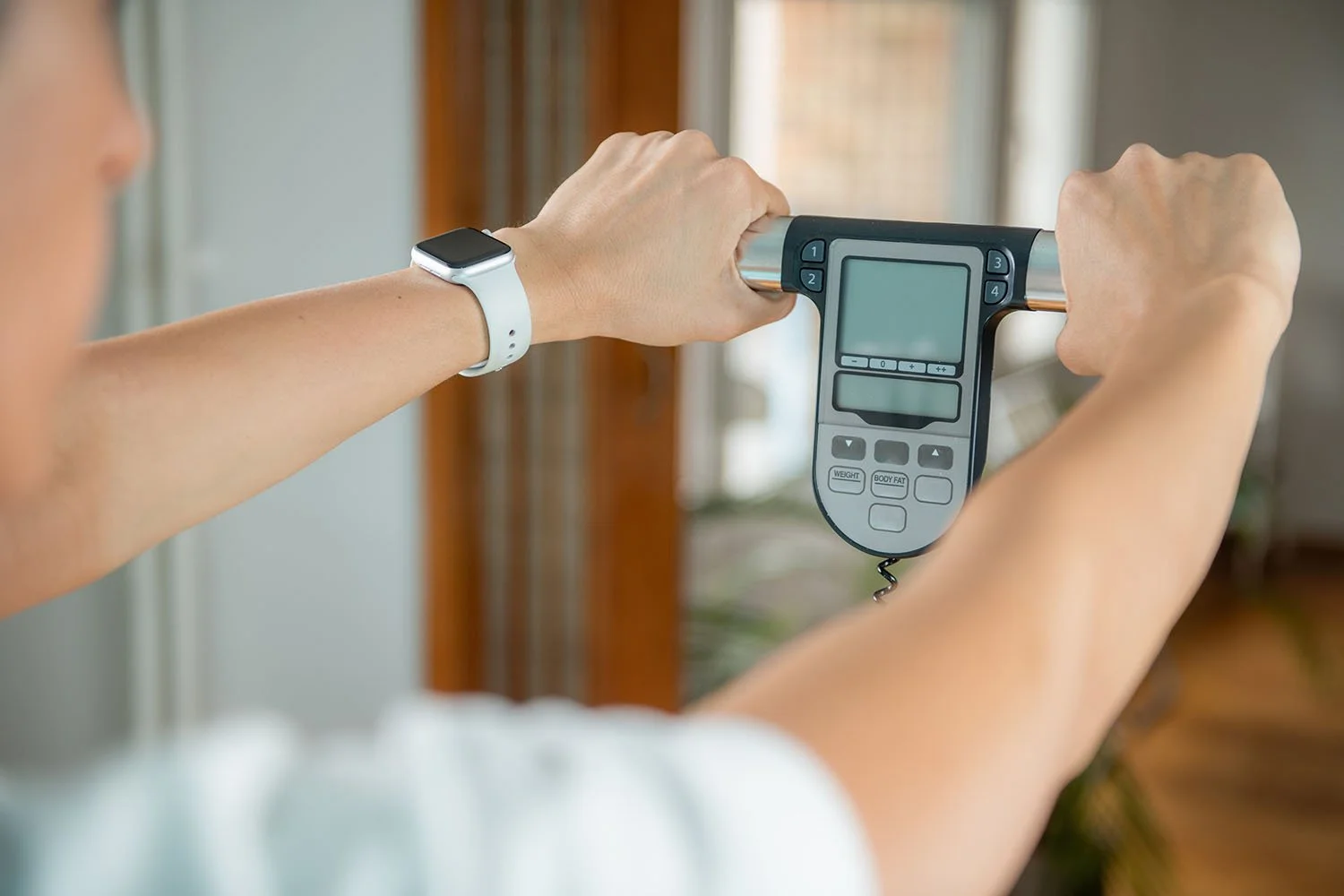
Medical weight management may involve several forms of support, including nutrition, physical activity, behavioral strategies, and prescription medication when appropriate. The right approach depends on your health history, preferences, treatment response, and potential risks.
At OTR Health & Wellness in Cumming, GA, an individualized evaluation provides a starting point for discussing these options. Understanding how medication and daily habits fit together can help you make informed decisions without expecting a guaranteed result.
Where Do GLP-1 Medications Fit?
Certain FDA-approved medications act on hormone pathways involved in appetite and food intake. Some have specific weight-management indications, while others are approved for conditions such as type 2 diabetes. Approval applies to the particular product and use.
For eligible patients, prescription weight-management medications may help with weight reduction when combined with lifestyle and behavioral support. They do not replace nutrition or physical activity, and their effects vary from person to person. NIDDK
A consultation should address whether medication is appropriate, which options deserve consideration, and how benefits and risks would be assessed.
Compounded Products Require a Separate Discussion
Compounded GLP-1 products should not be described as a proven way to produce the same results as FDA-approved medications.
Compounded medications are not FDA-approved. The FDA does not review them for safety, effectiveness, or quality before marketing. They are also different from FDA-approved generic drugs.
The FDA recommends using compounded drugs only when a patient’s medical needs cannot be met by an FDA-approved medication. Any consideration of compounding must meet applicable requirements. FDA
Adding lifestyle changes does not establish the safety, effectiveness, or equivalence of a compounded preparation. If one is discussed, ask why it is being considered for your particular medical needs.
Why Nutrition Remains Important
A change in appetite does not eliminate the need for adequate nutrition. If you feel full sooner or have less interest in food, discuss how to meet your nutritional needs with your clinician.
Topics to review may include:
Meal patterns that fit your schedule.
Adequate protein and a variety of nutrient-containing foods.
Fluid intake appropriate to your health.
Difficulty eating because of nausea or other symptoms.
Whether referral to a registered dietitian would be helpful.
The goal is an eating approach you can follow while supporting your health. Severe restriction or regularly being unable to eat should prompt a conversation with your provider.
At an OTR Health & Wellness consultation, share any history of disordered eating, food-related anxiety, or medical dietary restrictions.
Choosing Physical Activity That Fits Your Health
Physical activity is part of comprehensive weight-management care. Your plan should account for your current fitness, mobility, injuries, medical conditions, and preferences.
Ask your clinician about an appropriate starting point. Walking, resistance exercises, or other activities may be discussed depending on your circumstances.
Set practical goals and report barriers such as pain, dizziness, or limited stamina. Exercise should not be presented as a way to guarantee a particular amount of weight loss or compensate for medication side effects.
Including Sleep, Stress, and Daily Routines
A useful treatment discussion also considers the routines and circumstances that influence your ability to follow a plan.
You may want to discuss disrupted sleep, shift work, caregiving responsibilities, emotional eating, or stress. These concerns can help identify where additional support or evaluation may be needed.
Neither medication nor weight loss should be promised to resolve anxiety, depression, or relationship difficulties. Mental-health concerns deserve appropriate attention in their own right.
Monitoring Benefits and Side Effects Together
Treatment decisions should consider more than the number on the scale. Follow-up may address nutritional intake, symptoms, medication tolerance, relevant health measures, and whether continuing treatment remains appropriate.
Weight-management medications can cause side effects, some of which may be serious. The risks depend on the product and your medical history. Your prescriber should explain the relevant warnings and what symptoms require prompt care. NIDDK
If you also use insulin or other diabetes medications, ask how changes in treatment, eating, or activity could affect your blood sugar management.
Follow the prescribed schedule and do not adjust doses yourself. The FDA has reported dosing errors involving compounded injectable semaglutide, including cases requiring hospitalization. Clear instructions about the product, concentration, and measuring device are essential. FDA
Planning for Longer-Term Care
Lifestyle support is valuable, but it does not guarantee that weight loss will continue after medication stops. Weight regain is common following discontinuation, and some patients may need ongoing medication when benefits continue to outweigh risks. NIDDK
Before starting treatment, ask:
How will we assess whether the plan is helping?
What would lead us to change or stop medication?
What follow-up and costs should I anticipate?
What might happen if treatment is interrupted?
How would longer-term maintenance be approached?
Needing continued care does not mean you have failed. Treatment plans may change as your health and circumstances change.
Discuss Your Options at OTR Health & Wellness
A thoughtful weight-management plan brings together appropriate medical care and practical daily habits. It also includes clear information about limitations, risks, alternatives, and ongoing monitoring.
Contact OTR Health & Wellness in Cumming, GA, to schedule an individualized consultation about medical weight management. Recommendations depend on your evaluation, and a prescription is not guaranteed.
This article provides general educational information and is not a substitute for individualized medical advice, diagnosis, or treatment. Prescription medications require evaluation by a licensed healthcare professional. Compounded medications are not FDA-approved. Treatment eligibility, risks, and results vary. No specific weight loss or lasting health outcome is guaranteed.
Other articles you might be interested in…