Always Tired in Cumming, GA? When Fatigue Deserves a Medical Evaluation
Most people feel tired occasionally after a busy week, inadequate sleep, travel, illness, or an unusually demanding period. Persistent fatigue is different. It may make it difficult to work, exercise, concentrate, maintain relationships, or complete ordinary daily activities.
Hormone conditions can contribute to fatigue in some people, but fatigue alone does not establish that a hormone imbalance is present. Sleep disorders, anemia, depression, anxiety, infections, chronic medical conditions, nutrition, medications, alcohol or substance use, and many other factors may produce similar symptoms.
At OTR Health & Wellness in Cumming, Georgia, patients can discuss ongoing fatigue with a licensed healthcare professional. An individualized evaluation can help determine whether laboratory testing, changes to current care, or referral to another qualified provider may be appropriate.
Fatigue Is a Symptom, Not a Diagnosis
Fatigue can mean different things to different people. One person may feel sleepy throughout the day, while another feels physically weak, mentally drained, unmotivated, or unable to tolerate normal activity.
Describing the experience clearly can help a healthcare professional evaluate it. Useful questions may include:
When did the fatigue begin?
Did it appear suddenly or gradually?
Is it present every day or only at certain times?
Does sleep or rest improve it?
Is the primary problem sleepiness, weakness, shortness of breath, low mood, or reduced stamina?
Are there changes in weight, appetite, menstrual patterns, sexual health, pain, or exercise tolerance?
Did the symptoms begin after an illness, medication change, major life event, or change in sleep?
Statements such as “I crash every afternoon” or “I wake up tired” may provide useful clues, but they do not identify one particular cause.
Common Reasons Someone May Feel Tired
Fatigue may have more than one contributor. Possible causes include:
Insufficient sleep or an inconsistent schedule
Insomnia or obstructive sleep apnea
Depression, anxiety, grief, or chronic stress
Anemia or nutritional deficiencies
Thyroid disease
Diabetes or other metabolic conditions
Heart, lung, kidney, or liver disease
Autoimmune or inflammatory conditions
Acute or persistent infections
Chronic pain
Pregnancy, perimenopause, or menopause
Prescription or over-the-counter medication effects
Alcohol, tobacco, or other substance use
Inadequate nutrition or excessive calorie restriction
Overtraining, physical inactivity, or inadequate recovery
This is not a complete list. It illustrates why broad claims that fatigue is usually caused by hormones can be misleading.
Could Low Testosterone Be Contributing?
Testosterone deficiency can be associated with reduced energy in men, but fatigue is nonspecific and should not be used by itself to diagnose hypogonadism.
Symptoms or signs that may occur with testosterone deficiency include:
Reduced sexual desire
Erectile difficulties or fewer spontaneous erections
Reduced muscle mass or strength
Reduced energy
Infertility or reduced sperm production
Mood changes or difficulty concentrating
Reduced bone density
Hot flashes when testosterone is very low
Current clinical guidance recommends diagnosing hypogonadism only when a man has compatible symptoms or signs and consistently low testosterone concentrations confirmed with accurate testing. This generally requires at least two separate early-morning total testosterone measurements, with additional evaluation when appropriate to identify the cause.
Testosterone testing should not be promoted to every tired man, and one low result does not automatically establish a diagnosis or qualify someone for treatment. Acute illness, inadequate sleep, obesity, certain medications, and other health conditions may affect testosterone measurements.
Testosterone therapy is not a general treatment for fatigue, burnout, low motivation, weight gain, or reduced athletic performance. If hypogonadism is appropriately diagnosed, a licensed provider can discuss potential benefits, risks, alternatives, contraindications, fertility effects, and monitoring requirements. A consultation does not guarantee a prescription or a particular result.
What About Testosterone in Women?
Women produce testosterone, but fatigue, brain fog, reduced motivation, and difficulty building muscle do not establish a testosterone deficiency. These symptoms have many possible causes, and there is no single symptom-based definition of “low testosterone” in women that justifies routine treatment.
Testosterone should not be promoted to women as a general solution for energy, mood, cognition, body composition, or exercise performance. Women with persistent fatigue or sexual-health concerns should receive an individualized evaluation that considers sleep, medications, mental health, thyroid function, anemia, reproductive changes, and other relevant conditions.
Any hormone therapy decision should include a discussion of the specific indication, evidence, potential benefits, risks, alternatives, and available FDA-approved options. Treatment and results are not guaranteed.
Thyroid Conditions and Fatigue
The thyroid gland produces hormones that help regulate how the body uses energy. An underactive thyroid, called hypothyroidism, may be associated with symptoms such as:
Fatigue
Weight gain
Difficulty tolerating cold
Dry skin or thinning hair
Constipation
Muscle or joint discomfort
Depression or slowed thinking
Heavy or irregular menstrual periods
A slower heart rate
These symptoms are common and do not necessarily mean a person has a thyroid condition. Hypothyroidism cannot be diagnosed from fatigue, weight gain, or brain fog alone. A healthcare professional may recommend established thyroid blood tests when the history and clinical findings support them.
An overactive thyroid can also cause fatigue, often alongside symptoms such as heat intolerance, sweating, tremor, anxiety, trouble sleeping, weight loss, or a rapid or irregular heartbeat.
Thyroid medication is intended to treat a diagnosed condition. It should not be prescribed simply to increase energy, accelerate metabolism, or help someone lose weight. Dosing requires appropriate follow-up because excessive or insufficient thyroid hormone can cause harm.
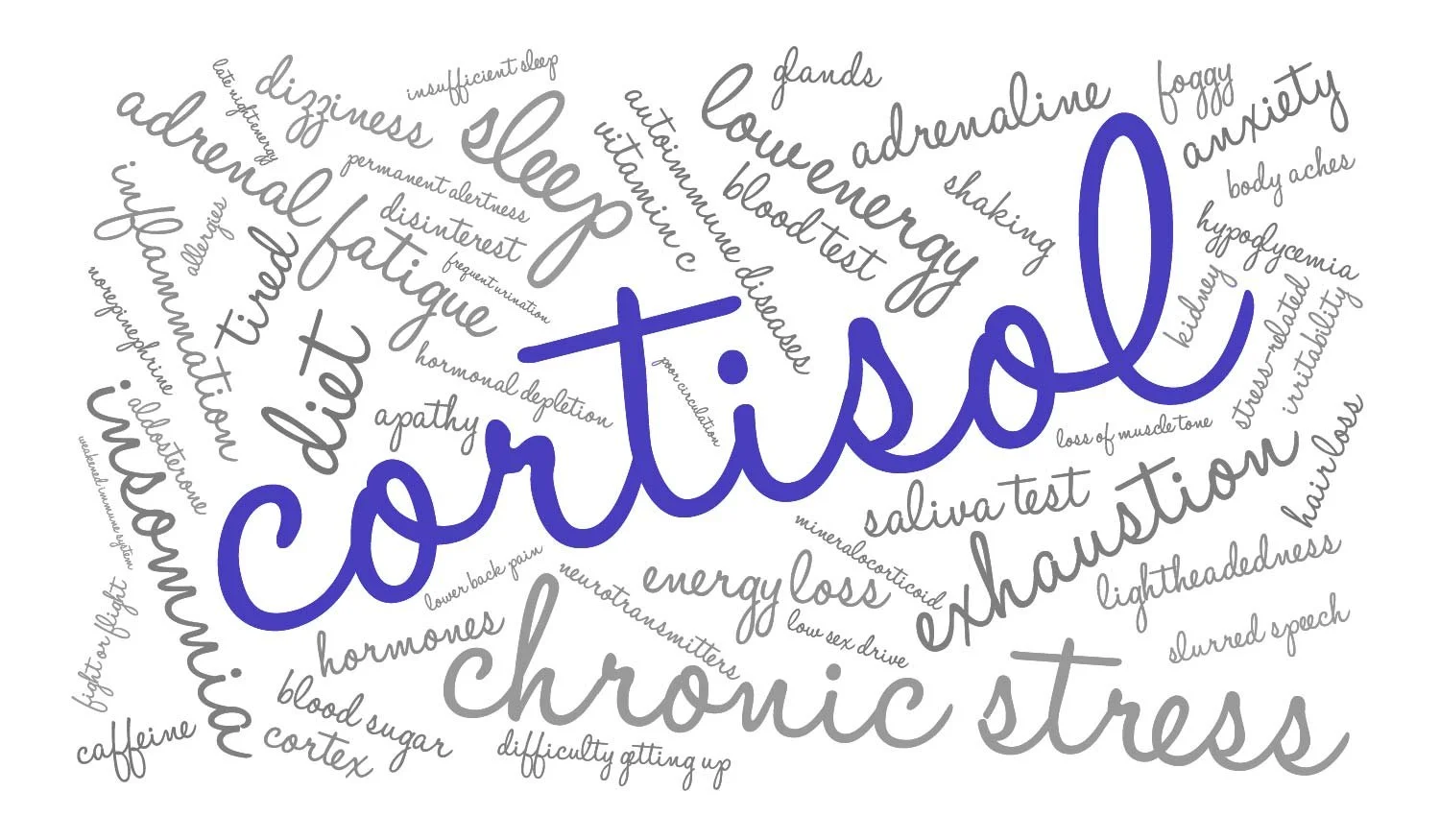
Cortisol, Stress, and Feeling “Wired but Tired”
People who feel alert at night and exhausted during the day are sometimes told they have a cortisol imbalance or “adrenal fatigue.” That symptom pattern does not prove that cortisol is abnormally high or low.
Cortisol is an essential hormone involved in blood pressure, glucose regulation, inflammation, metabolism, and the daily sleep-wake rhythm. Its level changes naturally throughout the day and may also be influenced by illness, sleep, exercise, medications, and other factors.
Chronic stress can contribute to poor sleep, changes in appetite, anxiety, irritability, reduced activity, and difficulty recovering from daily demands. Those effects may cause fatigue without establishing a cortisol disorder.
“Adrenal fatigue” is not a recognized medical diagnosis. Recognized conditions involving cortisol include Cushing’s syndrome, in which the body is exposed to excessive cortisol, and adrenal insufficiency, in which the body does not produce enough. These conditions require specific clinical evaluation and should not be diagnosed through general symptom lists, online questionnaires, or unvalidated saliva panels.
Routine cortisol testing is not appropriate for everyone experiencing fatigue, stress, afternoon tiredness, or poor sleep. A licensed provider should determine whether the symptom pattern and clinical findings justify targeted testing or an endocrinology referral.
Perimenopause, Menopause, and Fatigue
During perimenopause and menopause, women may experience hot flashes, night sweats, changes in menstrual patterns, sleep disruption, mood changes, forgetfulness, or difficulty concentrating. These symptoms may contribute to daytime fatigue, particularly when sleep is repeatedly interrupted.
Fatigue during this stage of life should not automatically be attributed to estrogen or progesterone. Anemia, thyroid disease, depression, anxiety, sleep apnea, medication effects, and other medical conditions may occur at the same time.
An individualized evaluation may consider:
Menstrual history and bleeding patterns
Hot flashes or night sweats
Sleep quality
Mood and anxiety symptoms
Medications and supplements
Pregnancy possibility when relevant
Other medical causes of fatigue
Hormone therapy may be considered for certain menopausal symptoms in appropriately selected patients, but it is not suitable for everyone and should not be promised as a general energy, weight-loss, or anti-aging treatment. The decision should include an individualized discussion of benefits, risks, alternatives, contraindications, and available FDA-approved options.
Sleep Problems Are a Common Contributor
Someone can spend seven or eight hours in bed without receiving restorative sleep. Insomnia, sleep apnea, restless legs syndrome, pain, reflux, hot flashes, alcohol, medication effects, and an uncomfortable sleep environment can fragment sleep.
Possible signs of obstructive sleep apnea include:
Loud snoring
Pauses in breathing observed by another person
Gasping or choking during sleep
Morning headaches or dry mouth
Excessive daytime sleepiness
Difficulty concentrating
High blood pressure
A sleep history is an important part of a fatigue evaluation. When a sleep disorder is suspected, a provider may recommend a sleep study or referral rather than assuming that hormone treatment will restore energy.
Anyone who experiences severe daytime sleepiness should use caution with driving or other safety-sensitive activities and seek medical advice.
Medication and Substance Effects
Prescription drugs, over-the-counter products, supplements, alcohol, and other substances may contribute to fatigue or drowsiness. Possible examples include some antihistamines, sleep aids, pain medications, anxiety medications, antidepressants, blood-pressure medicines, and other drugs.
Patients should provide a complete list of everything they take, including the dose and timing. They should not stop or change a prescribed medication without speaking with the prescribing healthcare professional.
Caffeine may temporarily increase alertness but can also interfere with sleep, particularly when used later in the day. Alcohol may make someone feel sleepy initially while still disrupting sleep quality later in the night.
Mental Health Is Part of the Evaluation
Depression and anxiety can affect energy, sleep, concentration, appetite, motivation, and physical function. These symptoms are real and should not be dismissed as laziness or lack of discipline.
Signs that may warrant mental health support include:
Persistent sadness, anxiety, or emptiness
Loss of interest or pleasure
Feelings of hopelessness, worthlessness, or excessive guilt
Significant changes in sleep or appetite
Difficulty concentrating or making decisions
Ongoing fatigue or feeling slowed down
Symptoms that interfere with work, relationships, or daily responsibilities
A medical evaluation and a mental health evaluation are not mutually exclusive. Physical and psychological factors can coexist, and coordinated care may be appropriate.
Anyone experiencing thoughts of self-harm or suicide should call or text 988 for the Suicide & Crisis Lifeline. In an immediate or life-threatening emergency, call 911.
What an Appropriate Fatigue Evaluation May Include
The evaluation depends on the individual. A licensed healthcare professional may review:
When the fatigue began and how it affects daily life
Sleep duration, quality, and possible sleep-disorder symptoms
Medical and mental health history
Prescription medications, supplements, caffeine, alcohol, and substance use
Nutrition and physical activity
Weight or appetite changes
Menstrual, menopausal, sexual, or reproductive symptoms when relevant
Recent infections or major life changes
Relevant physical findings and vital signs
Appropriate laboratory testing based on the clinical picture
Testing may include a blood count, thyroid studies, glucose-related tests, or other laboratory work when medically indicated. Testosterone, cortisol, reproductive-hormone, vitamin, or additional testing should be ordered selectively rather than included automatically in a broad wellness panel.
Comprehensive care does not mean testing every hormone. It means choosing evaluations that are appropriate for the patient’s symptoms and interpreting the results in context.
When Fatigue Requires Prompt Care
Seek prompt medical attention when fatigue is sudden, severe, rapidly worsening, or accompanied by concerning symptoms such as:
Chest pain
Difficulty breathing
Fainting or confusion
New weakness on one side of the body
A fast, very slow, or irregular heartbeat
Unexplained bleeding
Severe abdominal pain
Persistent fever
Significant unintended weight loss
Inability to perform normal daily activities
In a medical emergency, call 911 or seek immediate emergency assistance.
Fatigue Evaluations in Cumming, GA
OTR Health & Wellness serves patients in Cumming and surrounding North Georgia communities, including Forsyth County, Alpharetta, Johns Creek, Suwanee, Dawsonville, Buford, Canton, and Gainesville.
If ongoing fatigue, poor sleep, concentration problems, sexual-health concerns, or other symptoms are affecting your daily life, a consultation can provide a starting point. A licensed healthcare professional can review your concerns, determine which testing or referrals may be appropriate, and discuss options based on your individual clinical needs.
Persistent fatigue deserves attention, but it should not automatically be labeled a hormone imbalance. Finding the right next step begins with considering the full range of possible causes.
Medical Disclaimer
This article is for general educational purposes only and is not a substitute for individualized medical advice, diagnosis, or treatment. Reading this content, contacting OTR Health & Wellness, or submitting a form does not create a provider-patient relationship. Treatment recommendations are made only after an appropriate evaluation by a licensed healthcare professional. No treatment, prescription, or result is guaranteed. Individual eligibility and outcomes vary. OTR Health & Wellness does not provide emergency medical care. If you are experiencing a medical emergency, call 911 or seek immediate emergency assistance.
Other articles you might be interested in…