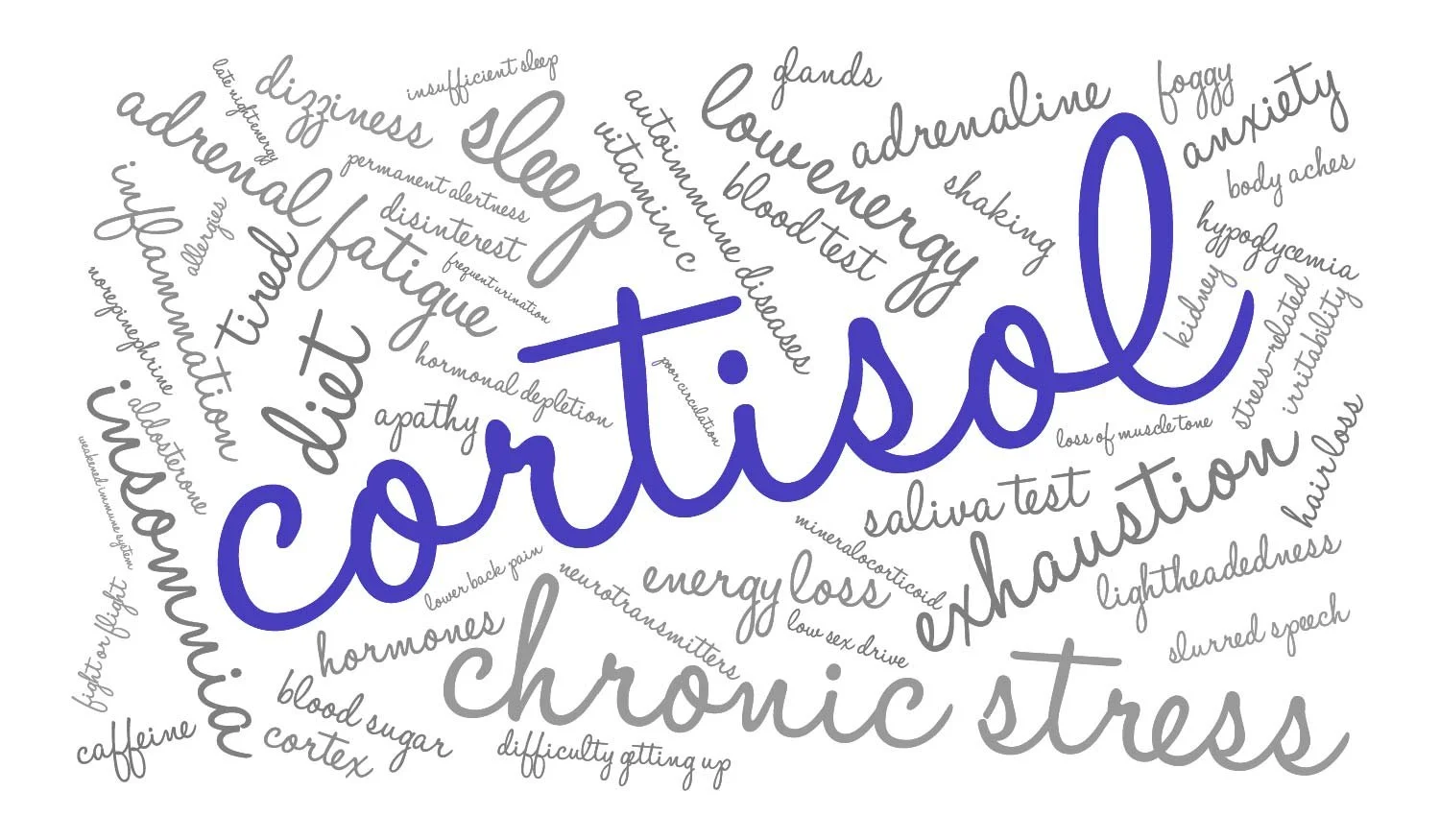
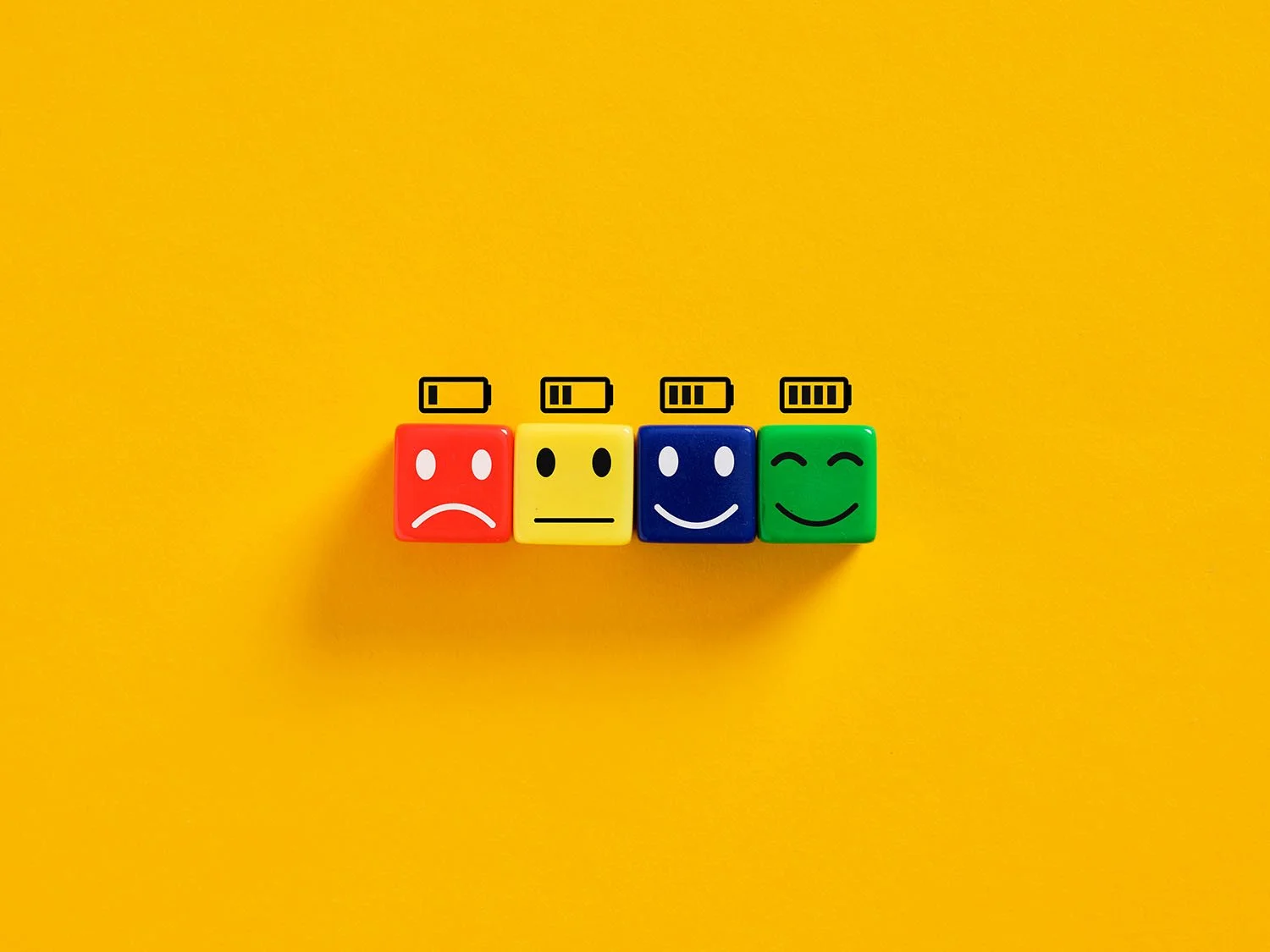
Fatigue. Poor sleep. Brain fog. Changes in mood. Difficulty concentrating. Changes in weight or sexual function.
When several of these symptoms show up at the same time, it can be tempting to blame one thing—stress, burnout, aging, or a “hormone imbalance.”
The reality is usually more complicated.
Many of these symptoms are nonspecific, meaning they can occur for a wide variety of reasons. Stress and lifestyle factors may play a role. Hormonal changes may sometimes contribute. Medications, medical conditions, sleep disorders, nutrition, mental health, and other factors may also be relevant.
That's why symptoms alone generally aren't enough to determine the cause.
At OTR Health & Wellness, we believe the better starting point is an individualized clinical evaluation rather than assuming that every common symptom is hormonal.
Why Do Stress and Hormonal Changes Seem So Similar?
Stress affects both the mind and body.
Periods of prolonged stress may be associated with changes in sleep, appetite, concentration, mood, energy, and daily habits.
Hormonal changes can also occur throughout life and may be associated with some overlapping symptoms.
For example, women going through perimenopause or menopause may experience changes in sleep, vasomotor symptoms such as hot flashes, and other concerns.
Men with appropriately diagnosed testosterone deficiency may also experience certain symptoms involving sexual function, energy, body composition, or other areas.
But experiencing fatigue, poor sleep, weight changes, or low motivation does not by itself establish that a hormone problem is responsible.
The overlap is exactly why evaluation matters.
Signs That Stress May Be Playing a Role
Everyone experiences stress differently.
Stress may be associated with symptoms or changes such as:
Difficulty sleeping
Feeling overwhelmed
Changes in appetite
Difficulty concentrating
Irritability
Muscle tension
Changes in daily routines
Reduced interest in activities
Feeling mentally or physically exhausted
These symptoms can also occur with medical or mental-health conditions.
If symptoms are persistent, severe, worsening, or interfering with daily life, an appropriate healthcare professional can help determine whether further evaluation is needed.
What About Burnout?
“Burnout” is commonly used to describe a state of physical or emotional exhaustion associated with prolonged demands or stress, often related to work or caregiving responsibilities.
Someone experiencing burnout may report exhaustion, difficulty concentrating, reduced motivation, irritability, sleep changes, or feeling less effective in daily life.
Those experiences are real—but they shouldn't automatically be attributed to hormones.
Persistent fatigue or changes in mood and concentration can have many potential causes, which is another reason not to rely on self-diagnosis.
When Might Hormones Be Worth Evaluating?
Hormonal evaluation may be appropriate in certain circumstances depending on the patient's symptoms, age, health history, medications, and other clinical factors.
For women, symptoms associated with the menopausal transition may warrant discussion with a healthcare professional.
For men, symptoms potentially associated with testosterone deficiency may warrant appropriate evaluation, which can include medical history, symptom assessment, and laboratory testing when indicated.
The presence of symptoms alone does not establish a hormone deficiency.
Likewise, a single laboratory value should generally be interpreted within the broader clinical picture rather than used in isolation.
Other Factors Can Cause Similar Symptoms
One reason self-diagnosing a “hormone imbalance” can be misleading is that many other factors can produce similar concerns.
Depending on the individual, these may include:
Sleep problems
Medication effects
Nutritional factors
Changes in physical activity
Mental-health conditions
Chronic medical conditions
Alcohol or substance use
Significant life stress
Changes associated with aging
Other underlying health concerns
This list isn't exhaustive.
An appropriate evaluation can help determine which factors deserve further attention.
Can Laboratory Testing Tell Me Whether It's My Hormones?
Laboratory testing can provide useful information, but it isn't a crystal ball.
When clinically appropriate, your healthcare professional may order laboratory tests to evaluate hormone levels or other relevant health markers.
Those results should be interpreted alongside your:
Symptoms
Medical history
Medications and supplements
Age and stage of life
Current health conditions
Previous laboratory results
Physical findings when applicable
Other relevant clinical information
A result outside a laboratory reference range does not automatically explain every symptom.
Likewise, a result within a reference range does not necessarily identify why you're feeling tired, stressed, or unlike yourself.
What If Hormonal Changes Are Contributing?
If an appropriate evaluation indicates that hormonal changes or a hormone deficiency may be relevant, your healthcare professional can discuss available options.
For some appropriately selected patients, hormone therapy may be considered.
Treatment decisions should be individualized based on the patient's diagnosis, symptoms, health history, potential risks and benefits, contraindications, treatment goals, and other relevant factors.
Hormone therapy is not appropriate for everyone.
It also should not be viewed as a general treatment for stress, occupational burnout, anxiety, depression, poor motivation, or every instance of fatigue or brain fog.
Requesting hormone therapy does not guarantee that it will be prescribed.
Don't Ignore Mental Health
Changes in mood, motivation, sleep, concentration, and energy can sometimes be associated with mental-health conditions as well as physical health concerns.
Hormone therapy should not be used as a substitute for appropriate mental-health evaluation or treatment when that care is needed.
If you're experiencing persistent anxiety, depression, significant emotional distress, or other mental-health concerns, talk with an appropriately qualified healthcare professional.
If you are experiencing a mental-health or medical emergency, seek immediate emergency care.
Start With the Bigger Picture
If you haven't been feeling like yourself, it's understandable to want a simple explanation.
But “it's stress” and “it's your hormones” can both be oversimplifications.
The better question is:
What factors could be contributing to how I'm feeling, and which of them should be evaluated?
That conversation may involve your health history, lifestyle, sleep, medications, symptoms, laboratory testing when appropriate, and other relevant factors.
The goal isn't to force every symptom into a hormonal explanation. It's to understand the broader clinical picture and determine an appropriate next step.
When Should You Schedule an Evaluation?
Consider speaking with a healthcare professional if symptoms are persistent, worsening, concerning, or interfering with your daily life.
An evaluation may be especially useful if you're experiencing multiple symptoms, have experienced a significant change in your health, or are considering hormone therapy based on symptoms you've been experiencing.
At OTR Health & Wellness, treatment begins with an individualized evaluation.
If hormone therapy is appropriate, your healthcare professional can discuss potential benefits, risks, limitations, alternatives, and monitoring.
If hormones do not appear to explain your concerns, additional evaluation or another approach may be more appropriate.
[BUTTON: Schedule a Consultation]
Important Medical Information
This article is provided for general educational purposes and is not a substitute for individualized medical advice, diagnosis, or treatment.
Fatigue, sleep disturbance, mood changes, difficulty concentrating, changes in weight, changes in sexual function, and other symptoms discussed in this article can have many potential causes.
Symptoms alone do not establish a diagnosis of hormone deficiency or “hormone imbalance.”
Laboratory results should be interpreted by an appropriate healthcare professional in the context of the individual patient's symptoms, medical history, medications, health conditions, and other relevant clinical information.
Hormone therapy is not appropriate for every patient and is provided only following an appropriate clinical evaluation. Individual results vary, and no particular improvement in energy, mood, sleep, cognition, body composition, sexual function, or other symptom is guaranteed.
If you are experiencing a medical emergency, seek immediate emergency medical attention.
Other articles you might be interested in…