Waking Up at 3 A.M.? Common Reasons Sleep Gets Interrupted
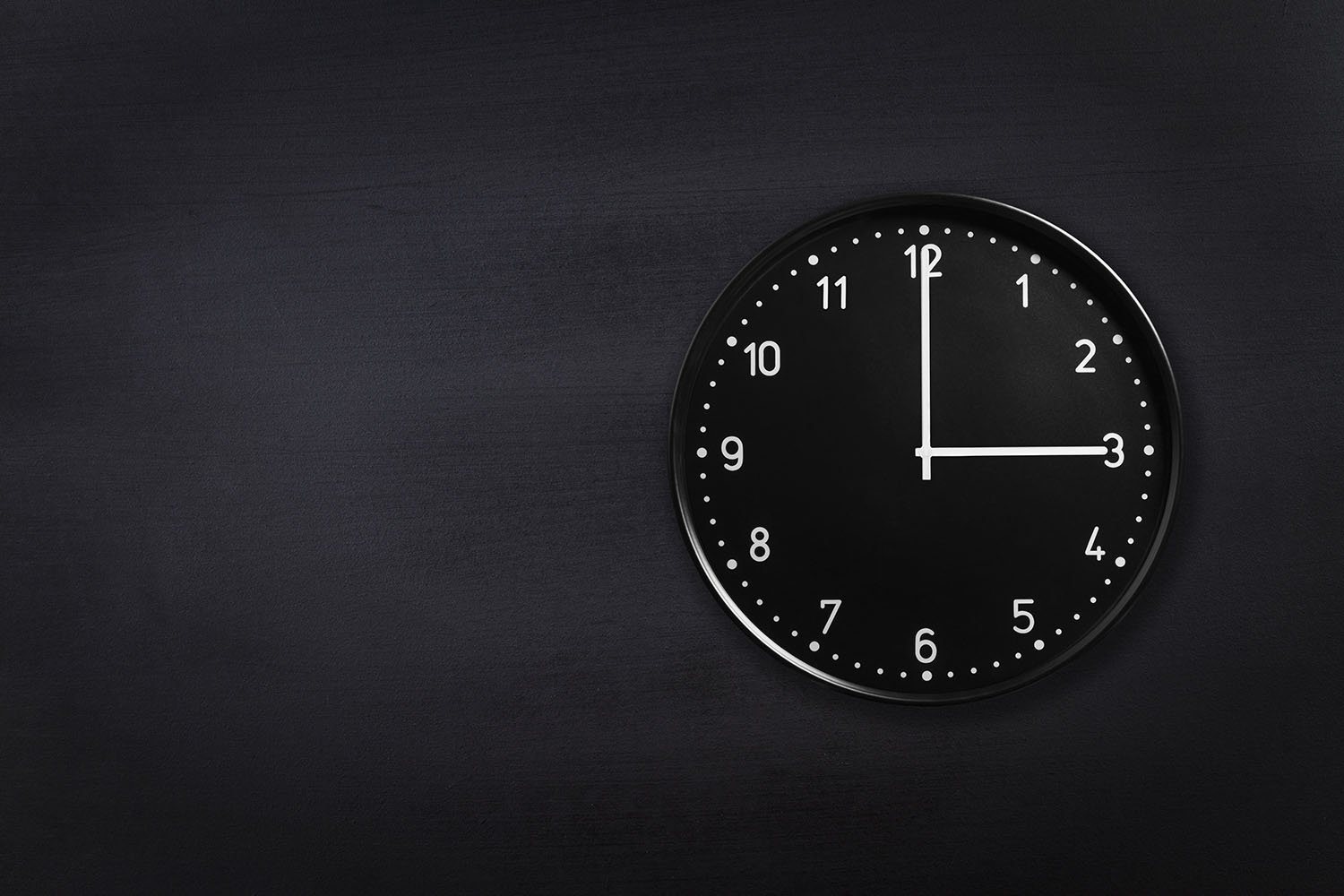
Waking during the night can be frustrating—especially when it seems to happen at nearly the same time. You may look at the clock, realize it is around 3 A.M., and start wondering whether stress, hormones, blood sugar, or another health concern is responsible.
There is no single biological event that makes 3 A.M. a universal time for waking. Sleep timing and sleep stages vary according to bedtime, age, health, environment, and individual sleep patterns. However, sleep generally becomes lighter during portions of the second half of the night, which may make some people more aware of interruptions.
Occasional awakenings are common. Persistent awakenings that make it difficult to return to sleep or cause daytime impairment may warrant a conversation with a healthcare professional.
At OTR Health & Wellness in Cumming, Georgia, patients can discuss sleep concerns as part of a broader review of their health. When appropriate, a licensed provider may recommend further evaluation, laboratory testing, changes to daily habits, or referral to a sleep specialist or another qualified professional.
Why Do People Wake During the Night?
Sleep is not one continuous, unchanging state. The body moves through different stages of sleep several times during the night. Brief awakenings may occur between cycles, and many are so short that a person does not remember them in the morning.
An awakening becomes more noticeable when something makes it difficult to return to sleep. Possible contributors include:
Stress, anxiety, or depression
Noise, light, temperature, or an uncomfortable sleep environment
Alcohol, caffeine, nicotine, or other substances
Pain, reflux, coughing, or other physical symptoms
The need to urinate
Medication effects
Menopausal symptoms such as hot flashes or night sweats
Thyroid or other medical conditions
Obstructive sleep apnea
Restless legs syndrome or periodic limb movements
Irregular work, travel, or sleep schedules
Insomnia
The time displayed on the clock does not identify the cause. A pattern is more useful when considered alongside bedtime, symptoms, daily habits, medications, and what happens before and after the awakening.
Is 3 A.M. a Hormonal Turning Point?
Melatonin and cortisol participate in the body’s sleep-wake rhythms. Melatonin levels generally rise in the evening under dim-light conditions and later decline. Cortisol follows a daily rhythm that typically increases toward morning.
These patterns do not mean that a cortisol “spike” at 3 A.M. is responsible for every nighttime awakening. Hormone timing differs among individuals, and an awakening at a particular clock time cannot diagnose a cortisol disorder.
Routine cortisol testing is not generally used simply because someone wakes during the night. Testing may be considered when a licensed provider identifies symptoms or medical findings that suggest a specific endocrine condition.
Claims that the body is always entering “wake mode” at exactly 3 A.M. oversimplify normal sleep physiology. Someone who goes to bed at 9 P.M. and someone who goes to bed at midnight will not necessarily be in the same sleep stage at 3 A.M.
How Stress Can Affect Sleep
Stress can contribute to difficulty falling asleep, nighttime awakenings, or trouble returning to sleep. After waking, a person may begin thinking about work, finances, family responsibilities, health, or the consequences of being tired the next day.
Watching the clock and calculating how little sleep remains can increase frustration and alertness. Over time, the bed itself may become associated with worry rather than sleep.
This does not prove that cortisol is abnormally high. It means that emotional and behavioral factors may be maintaining the sleep disruption. A healthcare professional may recommend stress-management strategies, mental health support, or cognitive behavioral therapy for insomnia, commonly called CBT-I.
CBT-I is a structured treatment that addresses thoughts and behaviors that can contribute to chronic insomnia. It is different from general relaxation advice and is typically provided by a qualified professional or through an evidence-based program.
Could Blood Sugar Cause a Nighttime Awakening?
Low blood glucose can interrupt sleep, particularly in people with diabetes who use insulin or certain glucose-lowering medications. Symptoms may include sweating, shakiness, hunger, a rapid heartbeat, confusion, or nightmares.
For people without diabetes or another condition affecting glucose regulation, waking at 3 A.M. does not by itself indicate that blood sugar has dropped. Eating dinner early, skipping an occasional meal, or going to bed without a snack should not automatically be treated as evidence of nighttime hypoglycemia.
People with diabetes who suspect overnight low blood glucose should follow the monitoring and treatment instructions provided by their healthcare professional. Medication doses or eating patterns should not be changed solely on the basis of an online article.
Can Hormonal Changes Affect Sleep?
Some hormonal and endocrine conditions can be associated with sleep problems, but the symptoms and appropriate evaluation differ.
Menopause and Perimenopause
Changes during perimenopause and menopause may contribute to hot flashes, night sweats, mood changes, and disrupted sleep. Other sleep disorders can also occur during this stage of life, so symptoms should be evaluated rather than automatically attributed to estrogen or progesterone levels.
Thyroid Conditions
An overactive or underactive thyroid may affect sleep, energy, mood, heart rate, temperature tolerance, and other body functions. Thyroid testing may be appropriate when a patient’s history or symptoms support it. Nighttime awakening alone does not diagnose a thyroid disorder.
Testosterone
Sleep disruption and low testosterone can occur together in some men, particularly when obesity, chronic illness, or obstructive sleep apnea is involved. However, waking at 3 A.M. is not a recognized way to diagnose testosterone deficiency.
Symptoms potentially consistent with hypogonadism must be evaluated alongside consistently low testosterone levels confirmed through appropriate testing. Testosterone therapy should not be presented as a general treatment for insomnia or nighttime awakenings.
Cortisol
Cortisol disorders involve specific patterns of symptoms and clinical findings. A provider may order targeted testing when medically indicated, but “adrenal fatigue” or a presumed nighttime cortisol spike should not be diagnosed from sleep timing alone.
Could It Be Sleep Apnea?
Obstructive sleep apnea causes repeated narrowing or blockage of the upper airway during sleep. These interruptions can fragment sleep even when the person does not fully remember waking.
Possible signs include:
Loud or frequent snoring
Pauses in breathing noticed by another person
Gasping or choking during sleep
Morning headaches or dry mouth
Frequent nighttime urination
Excessive daytime sleepiness
Difficulty concentrating
Irritability
Sleep apnea cannot be diagnosed from symptoms alone. A healthcare professional may recommend a sleep study or referral when the history suggests the condition. Identifying it matters because untreated sleep apnea may be associated with other health risks and requires appropriate management.
When Does Nighttime Waking Become Insomnia?
Insomnia can involve difficulty falling asleep, difficulty remaining asleep, or waking earlier than intended and being unable to return to sleep. The concern becomes more clinically significant when it occurs repeatedly despite adequate opportunity for sleep and causes problems during the day.
Daytime effects may include:
Fatigue or sleepiness
Difficulty concentrating
Irritability or mood changes
Reduced performance at work or school
Concern or distress about sleep
A healthcare professional can assess how frequently the awakenings occur, how long they have continued, and how they affect daytime function. Other sleep, medical, mental health, medication, and substance-related contributors may also need consideration.
Practical Habits That May Support Sleep
General sleep habits may help some people, although they are not guaranteed to resolve persistent insomnia or an underlying medical condition.
Consider:
Keeping a consistent sleep and wake schedule
Reserving enough time for sleep
Keeping the bedroom cool, dark, and quiet
Limiting caffeine later in the day
Avoiding nicotine near bedtime
Limiting alcohol, which can fragment sleep later in the night
Reducing bright light and stimulating activities before bed
Getting appropriate daytime physical activity
Avoiding repeated clock-checking during the night
Using the bed primarily for sleep and intimacy
If you remain awake and increasingly frustrated, a CBT-I professional may recommend leaving the bed temporarily for a quiet activity and returning when sleepy. Individual recommendations may differ.
Before using melatonin, sleep aids, supplements, or another person’s prescription medication, speak with a healthcare professional. Products can have side effects, interact with medications, or be inappropriate for certain patients.
Keeping a Sleep Record
A brief sleep diary can provide more useful information than focusing on 3 A.M. alone. For one or two weeks, consider recording:
Bedtime and estimated time of falling asleep
Approximate times and duration of awakenings
Final wake time
Daytime naps
Caffeine and alcohol use
Exercise timing
Medications or supplements
Snoring, gasping, pain, reflux, hot flashes, or the need to urinate
Daytime fatigue or sleepiness
This information may help a provider recognize patterns and determine whether further evaluation is appropriate. Consumer sleep trackers may offer estimates, but they do not diagnose insomnia, sleep apnea, hormone disorders, or other medical conditions.
When to Speak With a Healthcare Professional
Consider requesting an evaluation if nighttime awakenings:
Occur repeatedly for several weeks
Make it difficult to function during the day
Are accompanied by loud snoring, gasping, or breathing pauses
Occur with significant anxiety, depression, or mood changes
Are associated with pain, reflux, frequent urination, hot flashes, or other persistent symptoms
Began after starting or changing a medication
Create safety concerns while driving or working
Seek urgent medical assistance for chest pain, severe breathing difficulty, confusion, loss of consciousness, or another possible medical emergency.
Sleep and Wellness Evaluations in Cumming, GA
OTR Health & Wellness serves patients in Cumming and surrounding North Georgia communities, including Forsyth County, Alpharetta, Johns Creek, Suwanee, Dawsonville, Buford, Canton, and Gainesville.
If repeated nighttime awakenings are affecting your days, a consultation can provide a starting point. A licensed healthcare professional can review your symptoms, sleep patterns, health history, medications, and lifestyle factors. When clinically appropriate, the provider may discuss laboratory testing, behavioral strategies, treatment options, or referral for specialized sleep evaluation.
Waking at 3 A.M. does not necessarily mean that your hormones, cortisol, or blood sugar are “out of balance.” The useful question is not simply why the clock shows the same time. It is what combination of sleep, health, environmental, or behavioral factors may be contributing in your individual case.
Medical Disclaimer
This article is for general educational purposes only and is not a substitute for individualized medical advice, diagnosis, or treatment. Reading this content, contacting OTR Health & Wellness, or submitting a form does not create a provider-patient relationship. Treatment recommendations are made only after an appropriate evaluation by a licensed healthcare professional. No treatment, prescription, or result is guaranteed. Individual eligibility and outcomes vary. OTR Health & Wellness does not provide emergency medical care. If you are experiencing a medical emergency, call 911 or seek immediate emergency assistance.
Other articles you might be interested in…