Aging can bring changes in energy, sleep, body composition, sexual health, mood, and physical ability. Some changes develop gradually, while others seem to appear over a relatively short period.
People often wonder whether hormones are responsible. Hormonal changes can contribute to certain symptoms, but fatigue, weight gain, brain fog, reduced motivation, and poor sleep are not specific to a hormone disorder. They may also be associated with stress, medications, sleep apnea, depression, thyroid disease, anemia, chronic illness, nutrition, activity level, or other factors.
Healthy aging therefore requires a broader perspective than “optimizing” laboratory numbers. It begins with individualized medical care, appropriate preventive services, sustainable daily habits, and evaluation of persistent or concerning symptoms.
At OTR Health & Wellness in Cumming, Georgia, men and women can discuss symptoms that may warrant further evaluation. When clinically indicated, a licensed provider may recommend laboratory testing, treatment for a diagnosed condition, or referral to another qualified healthcare professional.
What Does Healthy Aging Really Mean?
Healthy aging is not about stopping the aging process or trying to return the body to an earlier age. It involves supporting physical function, independence, emotional well-being, and quality of life while appropriately managing health risks and medical conditions.
Important components may include:
Regular primary and preventive care
Age- and risk-appropriate health screenings
Recommended vaccinations
Adequate sleep
Appropriate aerobic, strength, and balance activities
Sustainable nutrition
Attention to bone, cardiovascular, and metabolic health
Mental health care and stress management
Social connection and meaningful activity
Review and management of medications and chronic conditions
Hormone treatment is not a substitute for these foundations. It may have a role when a recognized condition is properly diagnosed and the potential benefits outweigh the risks for the individual patient.
Hormones Change Throughout Life
Hormones are chemical messengers that help regulate reproduction, metabolism, growth, stress responses, sleep-wake rhythms, and many other functions. Some hormone levels and patterns change with age, but not every age-related change represents a disease requiring treatment.
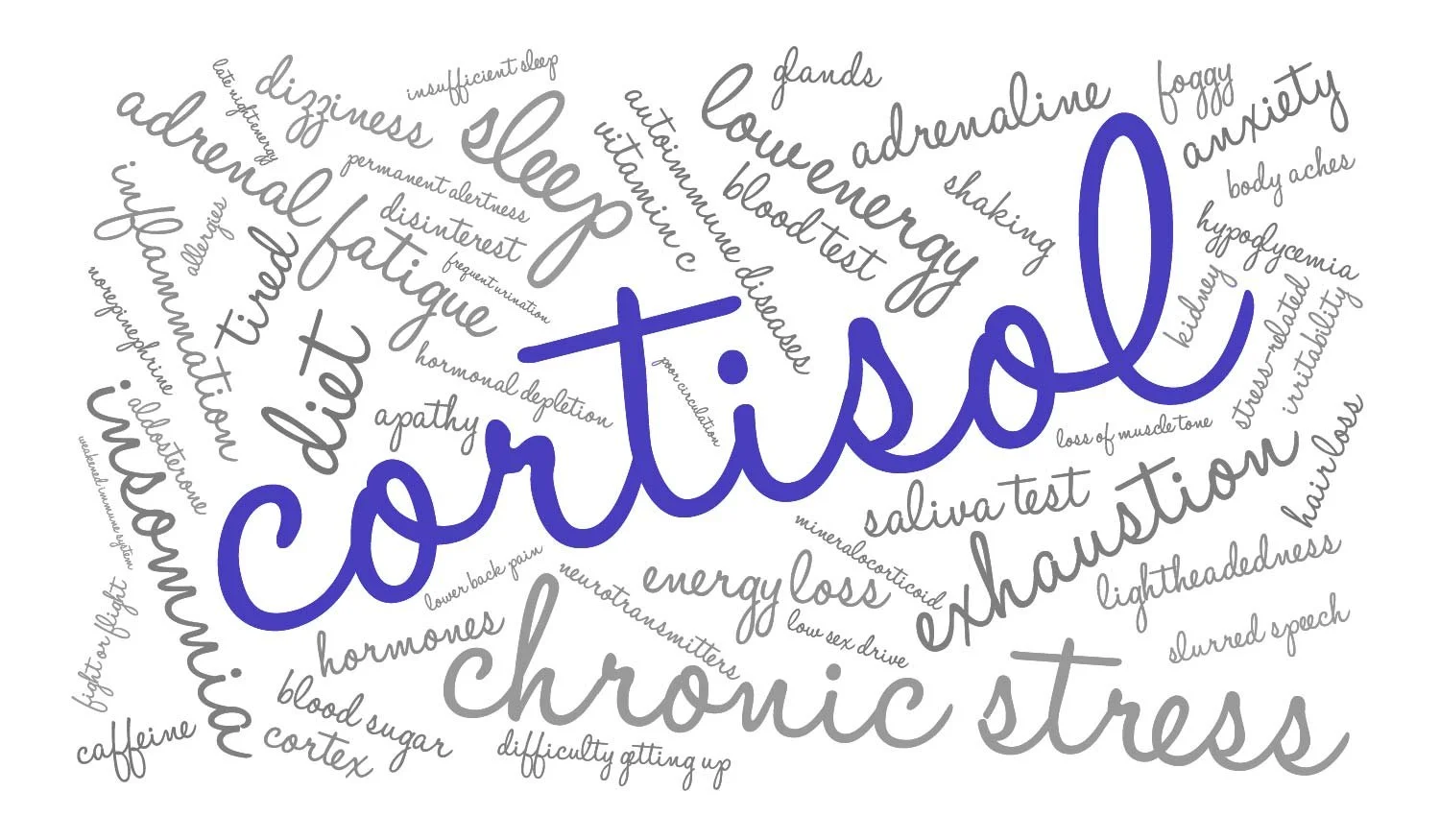
Commonly discussed hormones include testosterone, estrogen, progesterone, and thyroid hormones. DHEA and cortisol are also frequently mentioned in wellness marketing, although routine testing or supplementation is not appropriate simply because someone reports fatigue or feels older.
Symptoms such as low energy, reduced concentration, mood changes, weight gain, and sleep disruption overlap across many medical and psychological conditions. A diagnosis should not be based on symptoms alone or on a single broad “hormone panel.”
Hormone Considerations for Men
Testosterone levels may gradually decrease as men age, but getting older does not automatically mean a man has hypogonadism or needs testosterone replacement therapy.
Symptoms or signs that may occur with testosterone deficiency include:
Reduced sexual desire
Erectile difficulties or fewer spontaneous erections
Reduced muscle mass or strength
Reduced energy
Infertility or reduced sperm production
Mood changes or difficulty concentrating
Reduced bone density
Hot flashes when testosterone is very low
These concerns can have other causes. Current clinical guidance recommends diagnosing hypogonadism only when a man has compatible symptoms or signs and consistently low testosterone concentrations confirmed through accurate testing. Testing generally includes at least two separate early-morning measurements and may be followed by additional evaluation to identify the cause.
Testosterone therapy should not be presented as an anti-aging treatment or as a guaranteed way to increase energy, lose fat, gain muscle, improve cardiovascular health, sharpen thinking, enhance sexual performance, or extend life.
If TRT is considered for appropriately diagnosed hypogonadism, the provider should discuss potential benefits, risks, alternatives, contraindications, fertility effects, and monitoring requirements. A consultation or low laboratory result does not guarantee treatment eligibility or a prescription.
Hormone Considerations for Women
Perimenopause and menopause can involve changes in menstrual patterns and symptoms such as hot flashes, night sweats, sleep disruption, vaginal symptoms, and mood changes. The experience differs widely among women.
Menopausal hormone therapy may be considered for certain patients, depending on their symptoms, age, time since menopause, health history, risk factors, and treatment preferences. It is not appropriate for everyone, and it should not be promised as a general longevity, weight-loss, cardiovascular-prevention, or anti-aging treatment.
A licensed provider should discuss:
Which symptoms are being evaluated
Whether hormone therapy is an appropriate option
Available FDA-approved treatments
The potential benefits and risks of each option
Personal and family history
Possible contraindications
Treatment duration and follow-up
The term “bioidentical” does not by itself establish that a product is safer, more effective, or FDA-approved. FDA-approved hormone products and compounded preparations are not interchangeable categories. If a compounded medication is considered, the provider should explain why it is clinically appropriate for that patient and clarify that compounded drugs are not FDA-approved.
Thyroid Health and Aging
Thyroid conditions can occur at many ages and may produce symptoms that overlap with other concerns. An underactive or overactive thyroid may be associated with changes in energy, weight, mood, bowel habits, heart rate, temperature tolerance, muscle function, or sleep.
These symptoms do not confirm thyroid disease. Testing should be ordered and interpreted based on the patient’s history, symptoms, examination, medications, and other clinical information.
Thyroid treatment is intended for a diagnosed thyroid condition—not for general hormone optimization or enhancement. Medication selection and dosing require medical supervision and follow-up.
Muscle, Strength, and Physical Function
Maintaining muscle and physical function becomes increasingly important with age. Muscle supports mobility, balance, bone health, and the ability to perform everyday activities.
Age-related changes in muscle are influenced by many factors, including:
Physical activity and resistance training
Protein and overall nutrition
Chronic medical conditions
Neurological or musculoskeletal limitations
Sleep
Medications
Recovery from illness or injury
Certain hormone deficiencies
Hormone therapy should not be treated as a shortcut to fitness or muscle development. Appropriate resistance exercise, aerobic activity, balance work, nutrition, and management of health conditions remain central to maintaining function.
Patients should speak with a healthcare professional before beginning a new exercise program if they have significant medical conditions, physical limitations, or concerning symptoms.
Weight and Metabolic Health
Weight commonly changes over time, but the cause is rarely one hormone alone. Genetics, sleep, nutrition, activity, medications, stress, menopause, chronic illness, and metabolic conditions can all contribute.
Abdominal fat may be associated with increased risk for conditions such as type 2 diabetes, high blood pressure, and unhealthy cholesterol levels. Depending on the individual, an evaluation may include weight history, waist measurement, blood pressure, glucose-related testing, cholesterol measurements, medication review, and discussion of sleep or activity.
Testosterone or menopausal hormone therapy should not be promised as a weight-loss treatment. When weight management is appropriate, a licensed provider can discuss evidence-based options based on the patient’s health, eligibility, preferences, and potential contraindications.
Bone Health Deserves Attention
Bone density may decline with age, particularly after menopause and in people with certain medical conditions or risk factors. Testosterone deficiency in men can also be associated with reduced bone density.
Healthy aging may include attention to:
Appropriate weight-bearing and strength activities
Adequate calcium and vitamin D based on individual needs
Tobacco and alcohol use
Fall-risk reduction
Medication review
Bone-density screening when recommended
Evaluation of conditions that may affect bone health
Hormone therapy may affect bone density in certain appropriately selected patients, but it should not be marketed as a universal way to prevent fractures or preserve long-term vitality. Screening and treatment decisions should follow individualized clinical guidance.
Sleep, Mood, and Mental Clarity
Poor sleep, mood changes, and difficulty concentrating are often attributed to hormones, but they may have several contributing causes.
Sleep apnea, insomnia, chronic stress, depression, anxiety, pain, alcohol, medications, and irregular schedules may all affect daytime function. Hot flashes and night sweats may disrupt sleep during menopause. Men with obesity or testosterone concerns may also have sleep apnea that warrants evaluation.
A useful assessment looks at the whole pattern rather than presuming that hormone replacement will restore energy, improve mood, or eliminate brain fog. Depending on the findings, appropriate care may include sleep evaluation, mental health support, medication review, lifestyle changes, treatment for a diagnosed medical condition, or coordinated care with another provider.
What an Individualized Evaluation May Include
An evaluation at OTR Health & Wellness may include elements such as:
A discussion of symptoms, priorities, and health goals
Medical, surgical, and medication history
Menstrual, reproductive, or sexual history when relevant
Sleep, nutrition, activity, alcohol, tobacco, and stress considerations
Review of possible cardiovascular or metabolic risk factors
Appropriate laboratory testing based on clinical indications
Discussion of potential treatment benefits, risks, alternatives, and limitations
Referral when another type of evaluation or care is appropriate
Comprehensive care does not mean that every patient needs extensive hormone testing or treatment. Recommendations should reflect the individual’s symptoms, findings, diagnosis, and clinical needs.
If Hormone Therapy Is Considered
When a recognized condition is appropriately diagnosed, hormone therapy may be one option. The specific treatment, dose, formulation, duration, and monitoring plan should be determined by a licensed healthcare professional.
Patients should understand that:
Treatment is not automatic
A prescription is not guaranteed
FDA-approved and compounded medications are not the same
Compounded medications are not FDA-approved
Potential benefits and risks vary by medication and patient
Contraindications and drug interactions may affect eligibility
Fertility may be affected by certain treatments
Ongoing follow-up or laboratory monitoring may be required
Individual results vary
No hormone therapy can guarantee improved energy, body composition, confidence, mood, sexual function, cardiovascular health, longevity, or quality of life.
Healthy Aging Support in Cumming, GA
OTR Health & Wellness serves patients in Cumming and surrounding North Georgia communities, including Forsyth County, Alpharetta, Johns Creek, Suwanee, Dawsonville, Buford, Canton, and Gainesville.
If you are experiencing persistent fatigue, sleep disruption, sexual-health concerns, menopausal symptoms, or other changes, consider scheduling a consultation. A licensed provider can review your concerns, determine whether testing or referral may be appropriate, and discuss available options based on your individual health needs.
Healthy aging is not achieved by pursuing a predetermined “optimal” hormone number. It is supported by appropriate medical care, sustainable habits, informed decisions, and treatment of diagnosed conditions when clinically indicated.
Medical Disclaimer
This article is for general educational purposes only and is not a substitute for individualized medical advice, diagnosis, or treatment. Reading this content, contacting OTR Health & Wellness, or submitting a form does not create a provider-patient relationship. Treatment recommendations are made only after an appropriate evaluation by a licensed healthcare professional. No treatment, prescription, or result is guaranteed. Individual eligibility and outcomes vary. OTR Health & Wellness does not provide emergency medical care. If you are experiencing a medical emergency, call 911 or seek immediate emergency assistance.