Why Summer Heat Can Make Hormone Imbalance Symptoms Feel Worse for Women
Summer in Georgia can be brutal. Between the rising temperatures, humidity, and longer days, many women in Cumming, GA notice that they simply do not feel like themselves this time of year. Fatigue becomes more intense, sleep feels disrupted, mood swings become harder to manage, and hot flashes may suddenly feel unbearable. For many women, these issues are not just caused by the weather alone — they may be connected to hormone imbalance.
At OTR Health & Wellness in Cumming, GA, many women seek answers during the summer months because symptoms that were already manageable during cooler seasons suddenly become more disruptive. Hormonal fluctuations related to perimenopause, menopause, thyroid dysfunction, stress hormones, or other imbalances can feel amplified when combined with extreme heat and humidity.
If you have been feeling more exhausted, irritable, overheated, or mentally foggy this summer, your hormones may be playing a bigger role than you realize.
Why Heat Affects Women Differently During Hormonal Changes
Hormones help regulate many of the body’s core functions, including temperature regulation, hydration, sleep quality, mood stability, metabolism, and energy production. When hormone levels begin fluctuating — especially estrogen and progesterone — the body can become more sensitive to environmental stressors like summer heat.
This is particularly common during perimenopause and menopause, when estrogen levels begin declining. Estrogen helps influence the body’s temperature control system, and lower levels can contribute to hot flashes, night sweats, excessive sweating, and heat intolerance.
During a Georgia summer, those symptoms can intensify dramatically.
Women in Cumming, GA often describe feeling:
Constantly overheated
Drained after spending time outdoors
More anxious or irritable in the heat
Unable to sleep comfortably at night
Mentally foggy during hot afternoons
More bloated or inflamed than usual
Easily dehydrated even when drinking water
At OTR Health & Wellness, women frequently discover that these symptoms are not simply “part of aging” or “just the summer weather.” In many cases, underlying hormone imbalance is contributing to how strongly the body responds to seasonal heat.
Hot Flashes and Summer Temperatures Are a Miserable Combination
One of the most frustrating symptoms women experience during hormonal shifts is hot flashes. While hot flashes can happen year-round, summer weather often makes them feel far more intense.
A woman who already struggles with occasional flushing or sudden body heat may find that 90-degree temperatures in Forsyth County trigger symptoms more frequently. Humidity can also make it harder for the body to cool itself naturally.
Many women report:
Sudden sweating during meetings or social events
Difficulty exercising outdoors
Waking up drenched at night
Increased embarrassment or self-consciousness
Feeling exhausted from constant overheating
The combination of hot flashes and poor sleep can quickly create a cycle of fatigue, irritability, and low motivation.
At OTR Health & Wellness in Cumming, GA, personalized hormone optimization plans are designed to help women better manage symptoms associated with hormone imbalance and menopause, rather than simply masking discomfort temporarily.
Summer Sleep Problems and Hormones
Sleep disruptions are another major issue that tends to worsen during the hotter months.
Hormone imbalance already affects sleep quality for many women. Declining progesterone levels may contribute to insomnia, while cortisol imbalances can make it difficult to stay asleep. Add Georgia heat and humidity into the mix, and restful sleep becomes even harder to achieve.
Women throughout Cumming, Alpharetta, Dawsonville, and surrounding North Georgia communities often notice:
Trouble falling asleep
Waking up frequently throughout the night
Night sweats
Increased anxiety before bed
Feeling exhausted despite a full night in bed
Poor sleep can then worsen other hormone-related symptoms including cravings, mood swings, low libido, brain fog, and weight gain.
At OTR Health & Wellness, comprehensive wellness evaluations help identify whether hormone imbalance may be contributing to chronic fatigue and sleep disruption. The clinic emphasizes personalized treatment plans based on symptoms, lab work, and long-term wellness goals.
Dehydration Can Make Hormonal Symptoms Worse
Many women underestimate how dehydration affects hormone-related symptoms.
When temperatures rise, the body loses more fluids through sweating. Unfortunately, dehydration can worsen many symptoms already linked to hormone imbalance, including:
Headaches
Fatigue
Brain fog
Dizziness
Mood instability
Muscle cramps
Dry skin
Increased stress on the body
Women dealing with hormone fluctuations may also notice they become more sensitive to caffeine, alcohol, sugary foods, or salty meals during the summer months.
At OTR Health & Wellness, patients are encouraged to take a full-body approach to wellness that includes hydration, nutrition, stress management, hormone optimization, and lifestyle support.
Cortisol, Stress, and Summer Burnout
Summer is often associated with vacations and relaxation, but for many women, it can actually become one of the most stressful seasons of the year.
Between managing children home from school, family schedules, travel plans, outdoor activities, and increased social obligations, stress levels can rise significantly. Heat itself also places physical stress on the body.
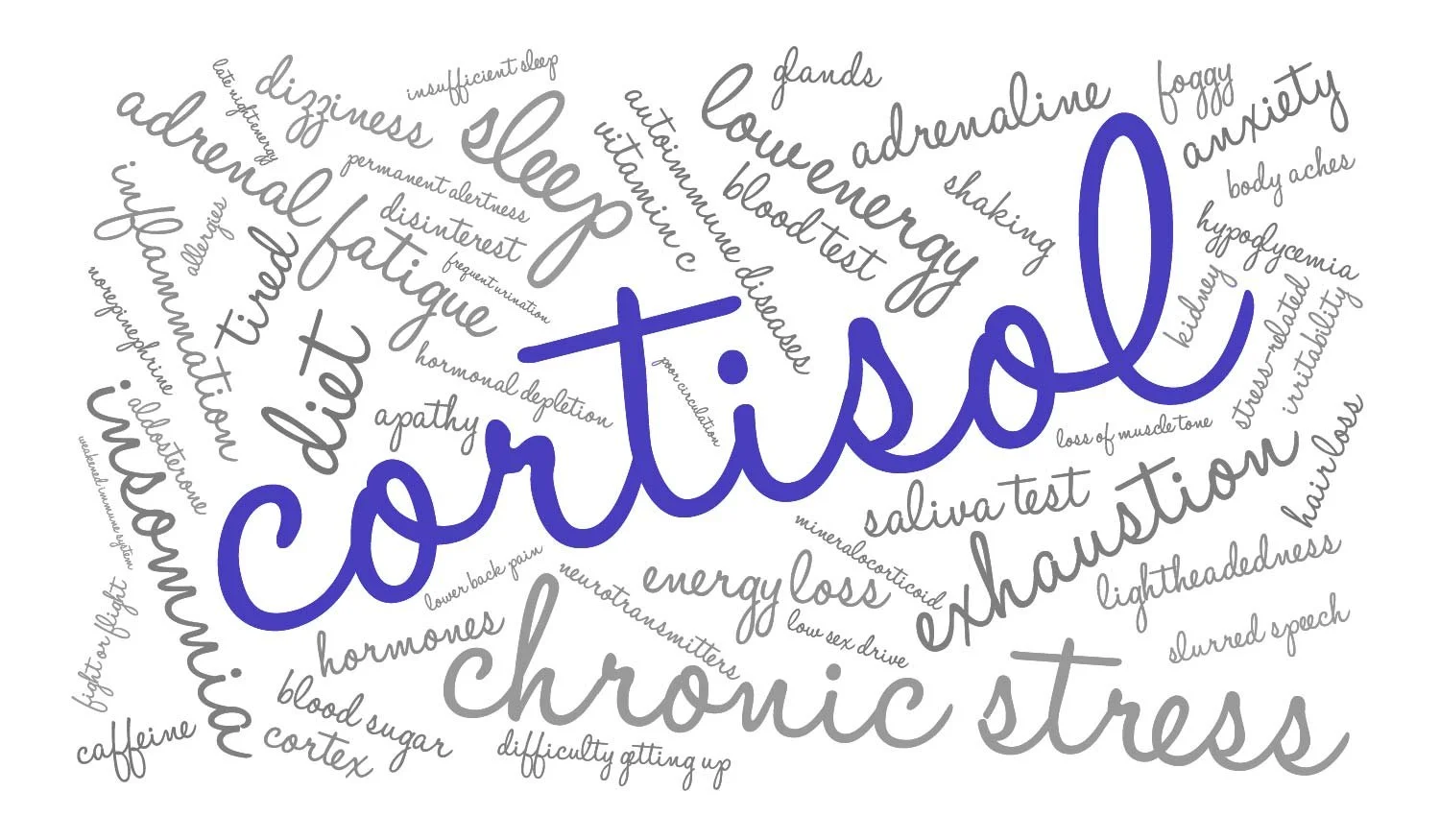
This matters because cortisol — the body’s primary stress hormone — directly impacts hormonal balance.
Chronically elevated cortisol may contribute to:
Increased anxiety
Weight gain
Low energy
Irritability
Sleep problems
Sugar cravings
Hormonal disruption
At OTR Health & Wellness in Cumming, GA, women often learn that their symptoms are connected to more than one hormone alone. Comprehensive lab testing can help identify issues involving cortisol, thyroid hormones, estrogen, progesterone, and other key biomarkers.
Weight Gain and Summer Frustration
Many women also become increasingly frustrated during the summer because hormone imbalance can make maintaining a healthy weight more difficult.
Even women who stay active may notice:
Increased bloating
Stubborn abdominal weight
Difficulty recovering from workouts
Lower motivation to exercise in the heat
Stronger cravings
Slower metabolism
Hot weather often reduces physical activity levels while simultaneously increasing inflammation and fatigue. Hormonal changes may also affect insulin sensitivity and metabolism.
At OTR Health & Wellness, many women in Cumming and surrounding areas seek support not only for hormone balance, but also for weight management and overall wellness optimization.
When to Seek Help for Hormone Imbalance
While occasional fatigue or discomfort during summer is normal, persistent symptoms should not be ignored.
It may be time to seek professional guidance if you are experiencing:
Frequent hot flashes or night sweats
Chronic fatigue
Brain fog
Mood swings
Low libido
Sleep disruption
Weight gain
Anxiety or irritability
Difficulty tolerating heat
Irregular cycles or menopause symptoms
Hormone imbalance affects every woman differently, which is why personalized care matters.
At OTR Health & Wellness in Cumming, GA, women receive individualized evaluations designed to understand the root causes behind their symptoms. Rather than relying on generic approaches, OTR Health & Wellness focuses on customized wellness plans that support long-term vitality and quality of life.
Feel Like Yourself Again This Summer
Summer should not leave you feeling exhausted, overwhelmed, or uncomfortable in your own body.
If the Georgia heat seems to be making your symptoms worse, it may be more than just the weather. Hormone imbalance can affect nearly every aspect of how you feel physically, mentally, and emotionally.
Women throughout Cumming, GA and surrounding communities are turning to OTR Health & Wellness for personalized hormone optimization, wellness support, and solutions tailored to their unique needs. With the right care plan, many women experience improved energy, better sleep, enhanced mood, and greater confidence — even during the hottest months of the year.
Other articles you might be interested in…